
Jewelry holds a unique place in our lives, representing beauty, love, and craftsmanship. However, not all jewelry is created equal. Understanding how to recognize high-quality jewelry is essential for making informed purchases, whether you are shopping for yourself or someone special. In this comprehensive guide, we’ll delve into expert tips that will help you identify exquisite pieces worth investing in.
Why Quality Matters in Jewelry
Quality is a critical factor in jewelry. High-quality pieces not only last longer but also maintain their aesthetic appeal over time. Investing in well-crafted jewelry allows you to enjoy beauty, ensures ethical sourcing, and can significantly influence resale value.
1. Look for Hallmarks and Assay Marks
One of the first steps in recognizing high-quality jewelry is checking for hallmarks and assay marks. These markings indicate the metal’s purity and, often, the manufacturer’s identity.
- Gold: Look for stamps like 10K, 14K, 18K, or 24K, which denote the gold content.
- Silver: Common marks include 925 for sterling silver.
- Platinum: Look for the PLAT or PT marks.
2. Assess Craftsmanship and Design
Quality jewelry showcases excellent craftsmanship. High-quality pieces are often characterized by well-executed designs, smooth finishes, and strong settings. Here are a few signs of quality craftsmanship:
- No visible seams or solder marks.
- Even polishing without scratches.
- Securely set stones without any movement.
3. Examine the Stones
When it comes to precious gemstones, quality is paramount. Here’s what you should consider:
| Gemstone | Quality Indicators |
|---|---|
| Diamond | Cut, Clarity, Color, Carat weight (4 Cs) |
| Sapphire | Rich color saturation, Clarity, and origin |
| Emerald | Vivid green color, Minimal inclusions |
High-quality stones should have vibrant colors and minimal inclusions that can weaken their structure.
4. Inspect the Metal Quality
The type of metal used in jewelry greatly affects both appearance and durability. Here are some common metal types known for quality:
- Gold: Opt for higher karats for purity and richness in color.
- Platinum: Known for its durability and hypoallergenic properties.
- Palladium: A newer alternative to platinum, being lighter yet durable.
5. Research the Brand or Jeweler
Not all jewelers are created equal. Researching the brand or jeweler can give you insights into the quality of their products. Look for:
- Customer reviews on multiple platforms.
- Years in business and reputation in the market.
- Certifications from recognized gemological organizations.
6. Seek Certification for Gemstones
For high-value gemstones, always look for a certification from a reputable gemological institute. Certificates provide crucial information about the stone’s quality and authenticity. Reputable institutes include:
- Gemological Institute of America (GIA)
- American Gem Society (AGS)
- International Gemological Institute (IGI)
7. Consider the Weight and Feel
High-quality jewelry should feel substantial. Fake or low-quality jewelry often feels lightweight or flimsy. When you hold an authentic piece, you should feel its weight, reflecting its material quality.
Practical Tips for Buying High-Quality Jewelry
Here are some practical tips to enhance your jewelry purchasing experience:
- Educate yourself before shopping to identify quality markers.
- Compare similar pieces from different jewelers to gauge prices and quality.
- Don’t hesitate to ask questions about the jewelry’s origin and materials.
- Request a return policy to mitigate your risks in case of dissatisfaction.
Case Studies: Real Experiences with Quality Jewelry
To illustrate the importance of recognizing quality in jewelry, let’s explore two personal experiences:
- Case Study 1: A buyer invested in a diamond ring certified by GIA, ensuring a perfect balance of clarity and cut. The impact? The ring has since become a family heirloom.
- Case Study 2: A customer purchased a necklace without checking its gold content. After a few months, the necklace tarnished. Always verify metal quality to avoid such disappointments!
Conclusion
Recognizing high-quality jewelry is an essential skill that can enhance your purchasing decisions and overall enjoyment of jewelry. By following these seven expert tips-checking hallmarks, assessing craftsmanship, examining stones, inspecting metal quality, researching jewelers, seeking certifications, and considering weight-you’ll be able to identify superb pieces that not only shine but also stand the test of time.
When armed with this knowledge, you can confidently navigate the world of jewelry, whether you’re shopping for a simple gift or a luxurious investment. Happy jewelry hunting!
Understanding Different Jewelry Styles
High-quality jewelry comes in various styles, each reflecting unique artistry and craftsmanship. Familiarizing yourself with popular jewelry styles can equip you to make better decisions. Here are some common styles to consider:
- Vintage: Characteristics include intricate detailing and unique settings, often enhanced with gemstones that tell a story of their own.
- Modern: Sleek lines and minimalistic design define this style, focusing on elegance and simplicity while still maintaining high craftsmanship.
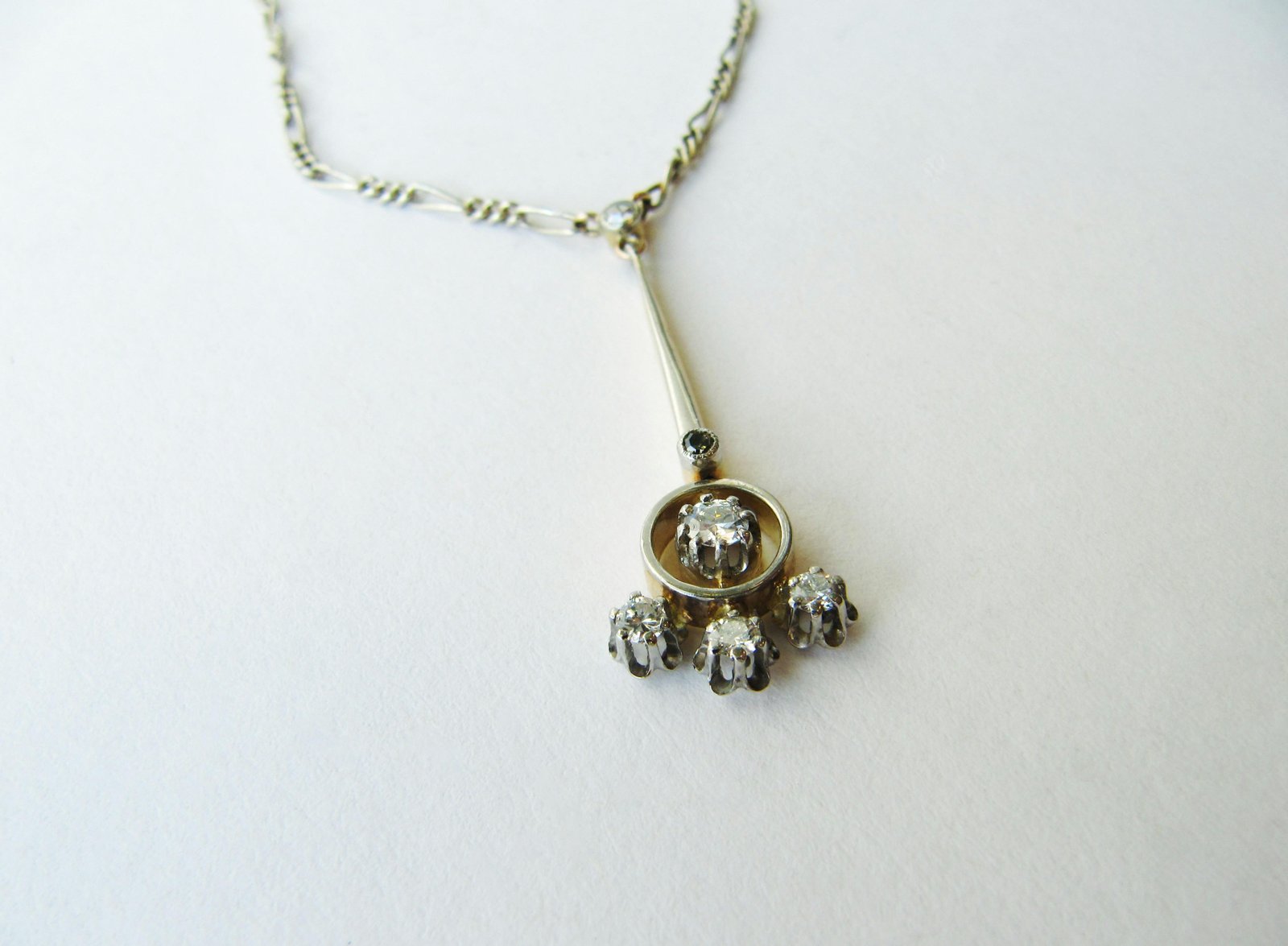
- Art Deco: Known for geometric shapes and bold colors, Art Deco pieces are often made with a mix of metals and stones, reflecting the glamour of the 1920s.
The Role of Ethical Sourcing
As consumers become more conscious about their purchases, the importance of ethical sourcing in jewelry cannot be overstated. High-quality pieces often come from sources that adhere to responsible mining practices. Here’s what to keep in mind:
- Conflict-Free Minerals: Ensure the gemstones are sourced from areas free from conflict and human rights violations.
- Transparent Supply Chains: Look for brands that openly share their sourcing and production processes.
- Sustainability Practices: Support jewelers who prioritize eco-friendly practices and the recycling of materials.
Understanding Jewelry Maintenance
Once you’ve invested in high-quality jewelry, proper maintenance is crucial to preserving its beauty and extending its lifespan. Here are some essential maintenance tips:
- Regular Cleaning: Use a gentle cleanser and a soft cloth to keep your jewelry looking its best. Avoid harsh chemicals that can damage the metal or stones.
- Safe Storage: Store jewelry in a dry, cool place, ideally in separate compartments or pouches to prevent tangling and scratching.
- Prompt Repairs: If you notice any damage, such as loose stones or broken clasps, have them repaired immediately to avoid further deterioration.
The Impact of Jewelry Resale Value
Investment in high-quality jewelry can provide excellent returns in terms of resale value. Understanding factors that affect this value can help you make better purchasing decisions:
- Market Demand: Keep an eye on trends and preferences in the jewelry market; certain styles or gemstones may appreciate in value over time.
- Brand Reputation: Renowned brands often command higher resale prices due to their established quality and craftsmanship.
- Condition: The better the condition of the piece, the more likely it will fetch a high resale price. Proper maintenance plays a significant role here.
Finding Your Personal Style
While understanding the technical aspects of jewelry quality is vital, finding a style that resonates with you is equally important. Consider the following when exploring your personal style:
- Inspirations: Look for inspiration in fashion magazines, jewelry blogs, or platforms like Pinterest to see what pieces resonate with you.
- Functionality: Consider where and how often you will wear the jewelry. Everyday pieces should be versatile and comfortable.
- Meaningful Symbols: Jewelry can also carry sentimental value. Choose pieces that reflect your personal experiences or commemorate special moments.
Engaging with Jewelry Communities
Joining jewelry communities online or locally can vastly expand your knowledge and appreciation for fine jewelry. Engaging with other enthusiasts allows you to:
- Share Experiences: Discuss and exchange insights about jewelry care, styles, and shopping experiences with like-minded individuals.
- Attend Workshops: Participate in workshops that may teach you valuable skills like jewelry-making, repair, or even gemstone identification.
- Network with Professionals: Make connections with jewelers, artisans, and appraisers who can offer guidance on quality and craftsmanship.
From Trends to Timelessness
High-quality jewelry often transcends trends, becoming timeless pieces that can be cherished for generations. Invest in versatile classics that can transition from casual to formal settings, ensuring you get the most out of your purchase. Some timeless favorites include:
- Solitaire Rings: A symbol of elegance and love, these rings can fit any occasion.
- Stud Earrings: Simple yet effective, stud earrings are versatile enough for everyday wear.
- Classic Necklaces: A well-designed pendant or a simple chain can complement any outfit and remain stylish through changing fashion trends.