

If you’re living with diabetes or monitoring your blood sugar levels, selecting the best glucose meter for home use is crucial. A reliable glucose meter is an essential medical supply that helps you manage your health effectively. In this comprehensive guide, we will delve into various aspects of glucose meters, including key features, benefits, and tips for choosing the right one for your needs. Let’s take control of your health together!
Understanding Glucose Meters
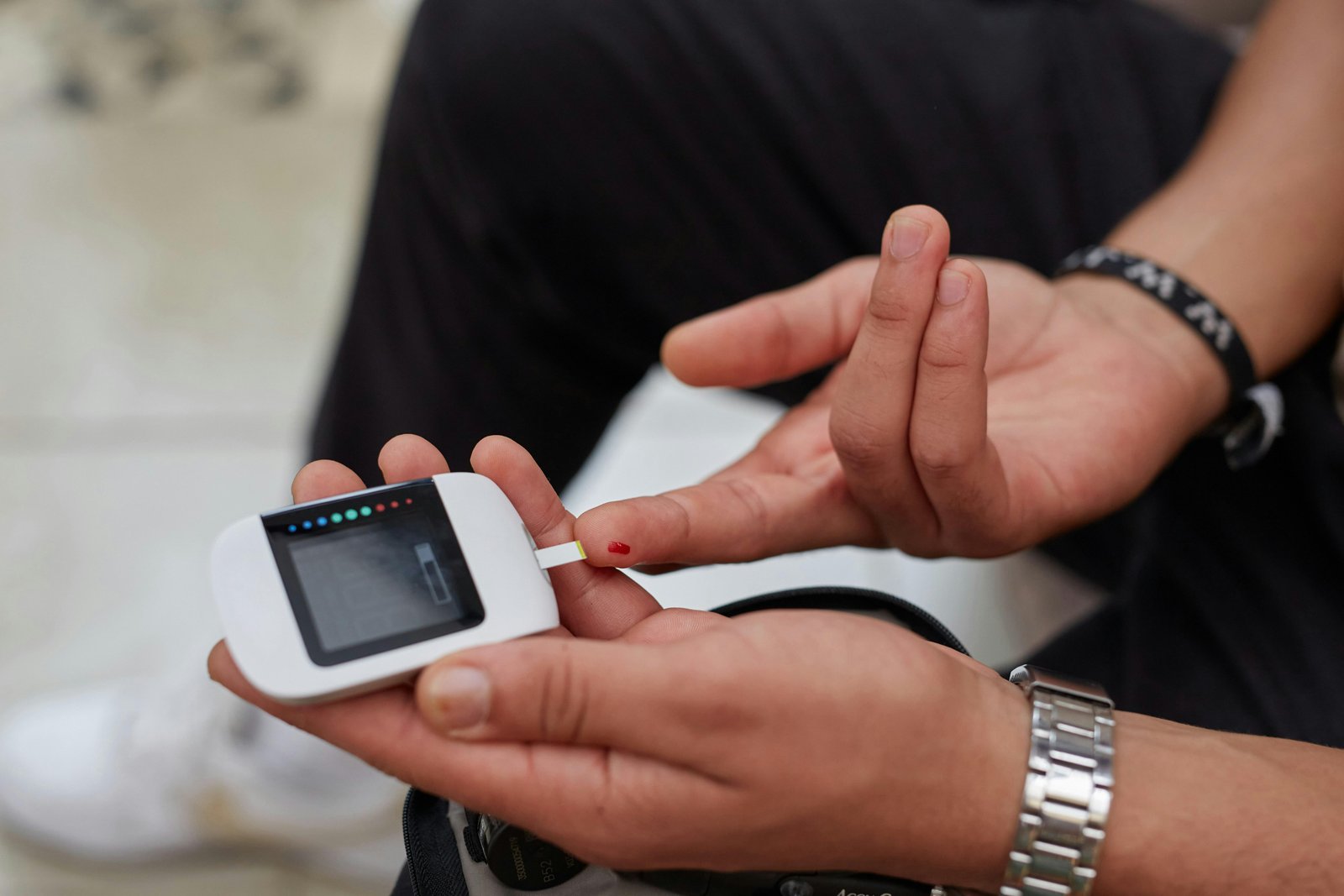
Glucose meters, also known as blood glucose monitors, are devices that help you measure the glucose levels in your blood. These readings are essential for individuals with diabetes as they can provide vital data to assist in managing their condition. Let’s explore the fundamental components of glucose meters.
- Test Strips: These are disposable strips onto which you apply a drop of blood to get a reading.
- lancets: Small needles used to prick your skin to obtain a blood sample.
- Display Screen: Shows your glucose reading in a clear format.
Key Features to Consider
When choosing the best glucose meter for home use, several features can enhance your overall experience. Here are the key features to focus on:
1. Accuracy
Look for a glucose meter that provides accurate readings consistently. Checking for FDA approval or clinical validation helps ensure reliability.
2. Ease of Use
The glucose meter should have a user-friendly interface with a clear display and intuitive buttons.
3. Sample Size
Different meters require different blood sample sizes. Opt for a meter that requires a smaller sample for less discomfort.
4. Test Speed
Many modern glucose meters provide results in as little as 5 seconds. Quick results can be critical, especially in busy situations.
5. Memory and Data Management
Some meters can store past readings, allowing you to track your glucose levels over time. Look for one that can upload data to a computer or mobile app for better management.
6. Additional Features
Consider features like backlit screens for visibility in low light, ketone testing capabilities, alarms for low or high readings, and Bluetooth connectivity.
Benefits of Using a Glucose Meter at Home
Using a glucose meter at home comes with numerous benefits:
- Improved Health Management: Regular monitoring helps maintain optimal blood sugar levels.
- Informed Decisions: Knowing your glucose levels aids in timely intervention and lifestyle adjustments.
- Cost-Effective: Managing health at home reduces the need for frequent doctor visits.
- Convenience: Monitoring glucose levels anywhere and anytime puts you in charge of your health.
Top Glucose Meters for Home Use
Here’s a curated list of top glucose meters to consider when looking for the best glucose meter for home use:
| Glucose Meter | Accuracy | Test Time | Sample Size | Bluetooth |
|---|---|---|---|---|
| Accu-Chek Guide | High | 5 secs | 0.6 µL | Yes |
| Freestyle Libre | Very High | 1 sec | Not applicable (sensor) | Yes |
| Contour Next One | High | 5 secs | 0.6 µL | Yes |
| OneTouch Verio Flex | High | 5 secs | 0.4 µL | Yes |
Practical Tips for Using Your Glucose Meter Effectively
To achieve accurate readings and make the most of your glucose monitoring, follow these practical tips:
- Keep Your Meter Clean: Regularly clean the device to prevent contamination and ensure accurate readings.
- Store Test Strips Properly: Test strips should be kept in a cool, dry place to maintain their efficacy.
- Follow Instructions: Always follow manufacturer guidelines and procedures for testing.
- Log Your Results: Keep a log of your readings to analyze trends over time.
Case Studies & First-Hand Experience
Let’s hear from users who have benefited from their glucose meters:
Case Study 1: Managing Diabetes Effectively
Mary, a type 2 diabetes patient, shares how switching to the Accu-Chek Guide impacted her health management. “Having a simple-to-use device made measuring my blood sugar levels less daunting. The app integration helped me track my diet and blood glucose trends effortlessly.”
Case Study 2: Monitoring in Real-Time
John, who uses the Freestyle Libre, appreciates the convenience of continuous monitoring. “Being able to scan my sensor without finger pricks has revolutionized my glucose monitoring. I can enjoy activities without the fear of sudden spikes or drops in my blood sugar levels.”
Conclusion
Choosing the best glucose meter for home use is a vital step in effectively managing diabetes and monitoring your health. By considering the right features, benefits, and personal preferences, you can select a device that meets your needs. Regular monitoring not only improves health management but also empowers you to make informed decisions about your lifestyle. Don’t hesitate-take charge of your health today and invest in a glucose meter that works for you!
Frequently Asked Questions About Glucose Meters
As you embark on your journey to choose the best glucose meter, you might have questions. Here are some of the most commonly asked questions to help guide your decision:
1. How often should I test my blood sugar levels?
The frequency of testing depends on your individual health needs and the type of diabetes you have. Generally, those on insulin might test several times a day, while others may only need to check a few times a week. Always consult your healthcare provider for personalized recommendations.
2. Can I reuse lancets and test strips?
It’s best to avoid reusing lancets as they can cause infections and are designed for single use. Test strips should also not be reused as they may give inaccurate readings after the initial use. Always use fresh supplies for reliable results.
3. What should I do if my reading seems incorrect?
If you suspect an inaccurate reading, wash your hands and retest with a new test strip. If discrepancies persist, consult your healthcare provider to troubleshoot the issue or check your meter’s accuracy with a control solution if available.
Understanding the Different Types of Glucose Meters
Glucose meters come in various types, each suited for specific needs. Here’s a quick breakdown:
1. Standard Blood Glucose Meters
These are the most common types of meters that require a blood sample and provide a digital reading. They are portable and easy to use, making them suitable for everyday monitoring.
2. Continuous Glucose Monitors (CGMs)
CGMs involve inserting a sensor under your skin that measures glucose levels continuously throughout the day and night. This type of monitor is ideal for those who require frequent checks and want to track trends over time.
3. Smart Glucose Meters
These advanced meters connect via Bluetooth to smartphones or tablets, allowing for data tracking, reminders, and sometimes integration with diabetes management apps to provide additional insights to users.
Insurance and Cost Considerations
Understanding the costs and insurance coverage for glucose meters is crucial for budget planning. Here are some important points:
- Insurance Coverage: Many insurance plans cover glucose meters and test strips, but coverage can vary significantly. Always check your policy or consult with your insurance provider to understand your benefits.
- Out-of-Pocket Expenses: If not covered, consider the ongoing costs of test strips and lancets, which can add up. Budgeting for these supplies is essential to ensure uninterrupted monitoring.
- Discount Programs: Some manufacturers and pharmacies offer discount programs for purchasing glucose meters and related supplies. Don’t hesitate to research these options.
Innovations in Glucose Monitoring Technology
With advancements in technology, glucose monitoring is evolving rapidly. New and innovative features are being introduced, which can enhance user experience:
1. Smartphone Apps
Many glucose meters now offer apps that help users log their readings, set notifications, and analyze trends, providing a comprehensive view of their health.
2. Smart Insulin Pens
These devices track insulin doses and timing, syncing with glucose meters to ensure optimal diabetes management. They can send reminders and help keep a log of your usage.
3. Non-Invasive Glucose Monitoring
Research is ongoing into non-invasive glucose monitoring techniques that do not require blood samples, such as optical sensors and sweat-based monitoring. While these technologies are not widely available yet, they hold promise for future development.
Emotional and Psychological Support
Managing diabetes involves more than just monitoring blood glucose levels. It also includes emotional and psychological support. Here are some ways to seek help:
- Support Groups: Connecting with others who have diabetes can provide valuable insights and emotional support.
- Counseling: Speaking with a mental health professional can be beneficial for coping with the psychological aspects of living with diabetes.
- Education Workshops: Many communities offer workshops that provide education on diabetes management and coping strategies.
Staying Motivated in Your Diabetes Management Journey
Staying motivated can be challenging, but adopting a positive mindset will aid in successful diabetes management:
- Set Realistic Goals: Establish short-term and long-term goals to keep track of your progress. Celebrate small victories to maintain motivation.
- Create a Routine: Incorporating regular testing into your daily routine can help establish consistency and make monitoring feel less burdensome.
- Educate Yourself: The more you know about diabetes and its management, the more empowered you will feel to take charge of your health.