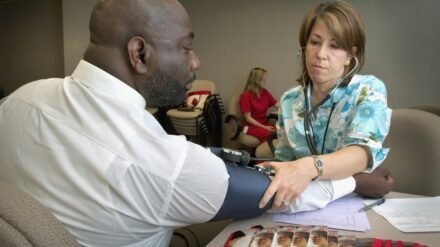

Planning an adventure? Whether it’s a weekend road trip, an international backpacking journey, or even a day hike, having an affordable travel first aid kit is crucial for your safety and peace of mind. Injuries and health issues can arise unexpectedly, and being prepared is the best way to ensure you can handle minor emergencies without hassle. In this comprehensive guide, we’ll discuss the essential items to include in your travel first aid kit, the benefits of being prepared, and provide practical tips for assembling your own kit on a budget.
What to Include in Your Travel First Aid Kit
When assembling your travel first aid kit, consider the destinations and activities you’ll be participating in. Here’s a detailed list of essential medical supplies to include:
- Adhesive Bandages: For minor cuts and scrapes.
- Sterile Gauze Pads: To cover larger wounds.
- Adhesive Tape: To secure gauze and dressings.
- Antiseptic Wipes: For cleaning wounds.
- Antibiotic Ointment: To prevent infections.
- Pain Relievers: Such as ibuprofen or acetaminophen.
- Allergy Medications: Including antihistamines for allergic reactions.
- Medical Gloves: To maintain hygiene when treating wounds.
- Scissors: For cutting tape or clothing.
- Tweezers: To remove splinters or ticks.
- Instant Cold Packs: For sprains and strains.
- Thermometer: To check for fever.
- Elastic Bandages: For wrapping sprains or strains.
- Emergency Blanket: To keep warm in case of shock.
Benefits of Having a Travel First Aid Kit
Creating and carrying a travel first aid kit offers numerous benefits, including:
- Peace of Mind: Knowing you’re prepared for minor emergencies can enhance your overall travel experience.
- Quick Response: Access to essential medical supplies allows for immediate treatment of injuries.
- Cost-Effective: Having your own kit can save you money on medical supplies purchased during your trip.
- Customization: You can tailor your kit based on personal health needs and travel activities.
Practical Tips for Assembling an Affordable First Aid Kit
Creating a travel first aid kit doesn’t have to break the bank. Here are some practical tips to help you assemble one affordably:
- Start with a Basic Kit: Purchase a pre-assembled basic first aid kit which can serve as a foundation.
- Buy in Bulk: Stock up on supplies like adhesive bandages and antiseptic wipes to save money.
- Check Expiration Dates: Ensure that any medications or supplies included are not expired, and replace as needed.
- Include a Medication List: Document any personal medications in the kit for easy reference.
Case Studies: Real-Life Experiences with Travel First Aid Kits
Case Study 1: The Hiking Accident
During a recent hiking trip in the Rockies, a member of the group tripped and fell, scraping her knee. Fortunately, the group had a well-stocked first aid kit. They applied antiseptic wipes, a sterile gauze pad, and secured it with adhesive tape. The quick response helped the hiker continue her adventure with minimal disruption.
Case Study 2: The Allergic Reaction
On a tropical vacation, a traveler unknowingly consumed a dish containing nuts and experienced an allergic reaction. With antihistamines on hand in her travel first aid kit, she was able to alleviate her symptoms quickly before seeking further medical assistance. Having immediate access to the medication made all the difference.
Creating Your Own Travel First Aid Kit
Assembling your own travel first aid kit allows you to customize it to your travel style and personal needs. Here’s a simple HTML table summarizing essential items and their purpose:
| Item | Purpose |
|---|---|
| Adhesive Bandages | Cover minor cuts |
| Antiseptic Wipes | Clean wounds |
| Scissors | Cut tape or clothing |
| Antibiotic Ointment | Prevent infections |
| Pain Relievers | Manage discomfort |
First Aid Kit Maintenance: Keeping It Ready for Your Next Adventure
Once you have your travel first aid kit assembled, it’s crucial to maintain it. Follow these steps to ensure your kit is always ready:
- Regularly check expiration dates on medications and supplies.
- Restock any used items immediately after your trip.
- Store the kit in a dry, easily accessible location.
Conclusion
In conclusion, an affordable travel first aid kit is an essential companion for all your adventures. It provides peace of mind, ensures quick response to minor injuries, and can be tailored to fit your specific needs. By following the tips discussed in this article, you can easily assemble a well-equipped kit that won’t strain your budget. Remember, being prepared not only enhances your travel experience but also keeps you and your companions safe. So, pack wisely and enjoy your next travel adventure with confidence!
Choosing the Right Container for Your First Aid Kit
The container for your travel first aid kit is just as important as its contents. Here are some tips on choosing the best container:
- Durability: Opt for a durable and water-resistant bag or box to protect your supplies from the elements.
- Size: Make sure it is large enough to accommodate all your items, yet compact enough to fit in your luggage or car.
- Organization: Look for a container with compartments or pockets to keep your supplies organized and accessible.
- Visibility: Choose a container with a clear exterior or labeled sections so you can quickly locate what you need in an emergency.
Travel-Specific Considerations for Your First Aid Kit
Different travel environments come with their own unique risks and considerations. Here are some items to consider based on your destination:
- Bug Bite Relief: If you’re traveling to a tropical or forested area, consider adding insect bite cream or rolls on to your kit.
- Motion Sickness Medication: Essential for those traveling by boat or over winding roads.
- Altitude Sickness Tablets: Necessary for high-altitude hikes or trips to mountainous regions.
- Sunburn Relief: Aloe vera gel or other soothing lotions for sun-exposed locations can be a lifesaver.
Healthcare Apps and Resources for Travelers
Equipping yourself with a travel first aid kit is just one part of being prepared. Below are some healthcare apps and resources that can be invaluable during your travels:
- Red Cross First Aid App: Provides step-by-step instructions for dealing with various medical emergencies.
- Travel Health App: Offers health recommendations specific to your travel destination, including vaccination requirements.
- Local Emergency Numbers: Keep a list of local emergency services or clinics in the areas you will be visiting.
- Telehealth Services: Consider subscribing to a telehealth service that allows you to consult with a healthcare professional for urgent health concerns while traveling.
Educating Yourself on Basic First Aid
Having a well-stocked first aid kit is essential, but understanding how to use the contents effectively is equally important. Here are ways to enhance your first aid knowledge:
- Take a First Aid Course: Many organizations, including the Red Cross, offer courses on basic first aid and CPR that can empower you during emergencies.
- Online Resources: Utilize online platforms offering free video tutorials or articles on basic first aid skills and techniques.
- Practice Simulations: If traveling with friends or family, practice first aid scenarios to build confidence and ensure everyone knows their role in case of an emergency.
Travel First Aid Kit for Families
If you’re traveling with children, there are additional considerations to keep in mind when assembling your first aid kit:
- Child-Safe Medications: Be sure to include scaled-down dosages of medications appropriate for kids, like acetaminophen or ibuprofen.
- Comfort Items: Pack favorite toys or comfort items that can help soothe children in case of injuries or fear during emergencies.
- First Aid Guide for Kids: Create a simple, illustrated guide on how to treat minor injuries tailored for kids, making it easier for them to understand what to do and easing anxiety.
Eco-Friendly Options for Your First Aid Kit
For the environmentally conscious traveler, consider eco-friendly options when assembling your first aid kit:
- Natural Remedies: Include herbal remedies or natural antiseptics like tea tree oil.
- Biodegradable Bandages: Many brands offer environmentally friendly bandages made from organic materials.
- Reusable Containers: Opt for a reusable pouch or case to minimize plastic waste.