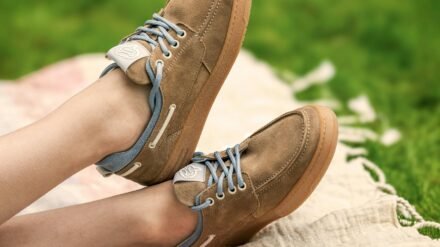
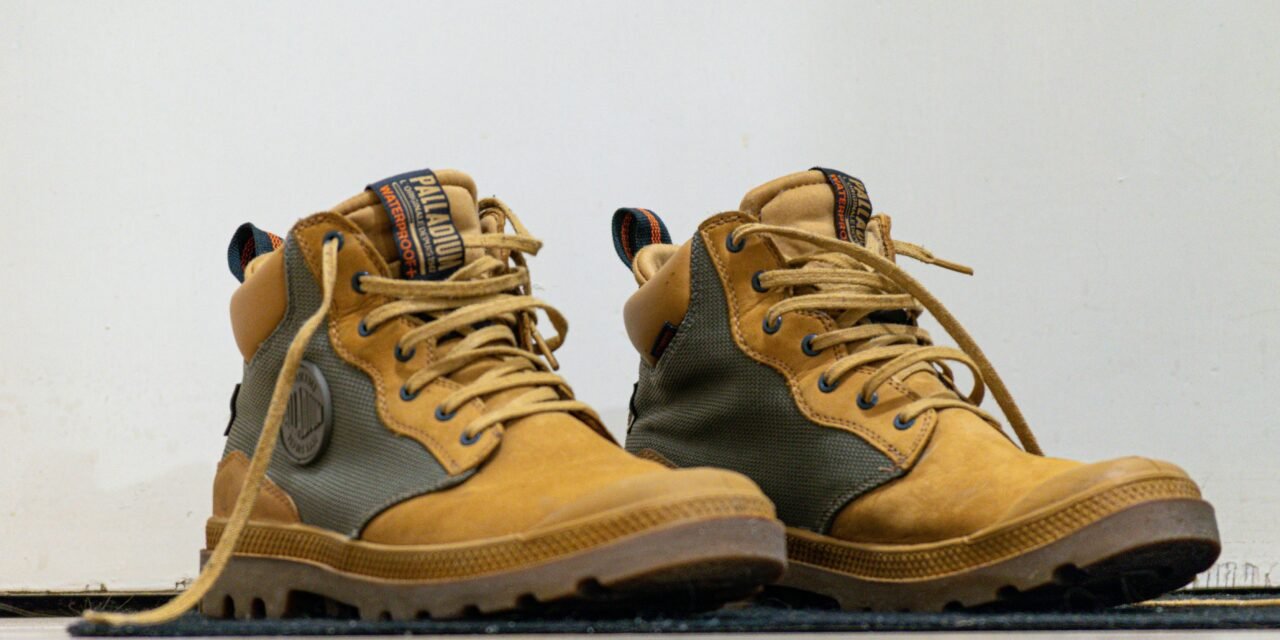
Whether you’re trekking through rain-soaked trails, navigating snowy streets, or braving muddy paths, having the right footwear is essential. Waterproof and breathable boots are designed to keep your feet dry and comfortable in all weather conditions. In this ultimate guide, we’ll cover everything you need to know about choosing the best waterproof and breathable boots, including key features, benefits, maintenance tips, and product recommendations.
What Makes Boots Waterproof and Breathable?
Understanding the materials and technology behind waterproof and breathable boots is crucial for making an informed purchase. Here’s a breakdown of the essentials:
- Waterproof Membranes: Materials like Gore-Tex, eVent, and similar technologies act as barriers against water while allowing moisture vapor to escape.
- Breathable Linings: Mesh and other synthetic fabrics help wick moisture away from the foot, enhancing overall comfort.
- DWR Coatings: Durable Water Repellent (DWR) coatings on the exterior also enhance water resistance.
Benefits of Wearing Waterproof and Breathable Boots
Investing in a pair of quality waterproof and breathable boots offers numerous benefits:
- Comfort: Keeps your feet dry and comfortable during long outings.
- Protection: Shields your feet from the elements and reduces the risk of blisters and foot injuries.
- Versatility: Suitable for various activities such as hiking, walking, and everyday wear.
- Durability: Made with materials that withstand harsh conditions, extending the lifecycle of the boots.
Features to Consider When Choosing the Perfect Boots
When shopping for waterproof and breathable boots, consider the following features to ensure you choose a pair that meets your needs:
- Fit: Proper sizing and fit are critical for comfort and to avoid blisters.
- Insulation: Depending on the weather, opt for insulated models for added warmth in cold conditions.
- Outsole: Look for high-traction outsoles for better grip on slippery surfaces.
- Weight: Lighter boots are generally more comfortable for long hikes, but be careful with durability.
Top Waterproof and Breathable Boots in 2023
| Boot Model | Waterproofing Technology | Weight | Best For |
|---|---|---|---|
| Sorel Caribou | Waterproof leather with a rubber sole | 3.2 lbs | Winter hiking |
| Salomon X Ultra 3 GTX | Gore-Tex | 2.47 lbs | Trail running |
| Merrell Moab 2 Waterproof | M Select Dry | 2.5 lbs | Day hiking |
| The North Face Hedgehog Hiker II | FlashDry | 1.83 lbs | Backpacking |
Case Studies: Real-Life Experiences with Waterproof Boots
John’s Hiking Adventure
John, an avid hiker, recently took a 5-day trip through the Pacific Northwest. He wore waterproof boots with Gore-Tex lining and shared that his feet remained dry even after hours of trekking through muddy paths and light rain.
Mary’s Winter Expedition
Mary chose insulated waterproof boots for her winter expedition in Canada. She reported that the boots performed excellently in both snow and slush, keeping her toes warm and dry.
Practical Tips for Maintaining Your Waterproof Boots
To extend the life of your waterproof boots, follow these maintenance tips:
- Clean Regularly: Remove dirt and debris after each use to prevent material degradation.
- Reapply DWR: Use a DWR spray to enhance water repellency.
- Store Properly: Keep boots in a cool, dry place to avoid moisture build-up.
Conclusion
Waterproof and breathable boots are essential for anyone who values comfort and protection while engaging in outdoor activities. By understanding the technology, benefits, and maintenance tips outlined in this guide, you can confidently choose the perfect pair that fits your lifestyle. Stay dry, stay comfortable, and enjoy your adventures with the right footwear!
How to Break In Your New Boots
Breaking in your new waterproof and breathable boots is an essential step to ensure comfort during your outdoor adventures. Here’s how you can do it effectively:
- Wear Them at Home: Start by wearing your boots indoors for short periods. This allows the material to mold to your feet without causing discomfort.
- Gradual Outdoor Use: Take them for short walks or light activities before embarking on longer hikes. This helps to identify any potential pressure points.
- Moisture Management: Wear moisture-wicking socks to help absorb and release sweat, reducing the chance of blisters.
- Flex and Flex: Bend and flex your boots frequently to help the materials loosen up and adapt to your foot movements.
Choosing the Right Socks for Your Waterproof Boots
The right socks are vital for maximizing the performance of your waterproof and breathable boots. Here are some tips on selecting the best options:
- Material Matters: Opt for synthetic or merino wool socks that wick moisture away from your feet and reduce the risk of blisters.
- Thickness: Consider the thickness based on your activities and the space within the boots; a thicker sock might provide more warmth but could impact fit.
- Height: Choose a sock height that suits your boot type. Crew or knee-high socks are ideal for taller boots, while ankle socks work well for low-cut models.
Understanding Different Types of Waterproofing Technologies
There are several key waterproofing technologies used in outdoor boots. Here’s a quick look at some top contenders:
- Gore-Tex: A well-known waterproof and breathable membrane that enhances comfort in wet conditions without sacrificing breathability.
- eVent: Similar to Gore-Tex, this technology offers excellent waterproofing with superior breathability for hot-weather activities.
- M Select Dry: Merrell’s proprietary waterproof membrane designed to keep moisture out while allowing internal moisture to escape.
- Hydro Shield: A sealed waterproofing technology used in some footwear to prevent water from entering while enabling breathability.
Environmental Impact of Waterproof Boot Materials
As outdoor enthusiasts become more environmentally conscious, understanding the sustainability of boot materials is increasingly important. Here are some aspects to consider:
- Recycled Materials: Many brands are incorporating recycled plastics and materials into their footwear manufacturing process.
- Ethical Sourcing: Look for brands that prioritize responsible sourcing practices to ensure that their materials do not harm the environment.
- Eco-Friendly DWR Options: Seek boots that utilize PFC-free DWR coatings to minimize environmental impact while maintaining performance.
When to Replace Your Waterproof Boots
Even the best waterproof boots will eventually need to be replaced. Here are some signs that it’s time for a new pair:
- Visible Damage: Check for cracks, fraying seams, or worn-out soles that can compromise waterproofing.
- Reduced Performance: If your boots no longer keep your feet dry despite having been maintained, it might be time for a replacement.
- Comfort Issues: Persistent discomfort or foot pain can indicate that your boots have lost their supportive structure.
Seasonal Considerations for Choosing Waterproof Boots
The season significantly influences your choice of waterproof boots. Here are some guidelines to help you select the right pair based on the time of year:
- Spring: Look for lightweight boots with good breathability for unpredictable rain and wet trails.
- Summer: Choose boots with ventilation features to help manage heat while maintaining waterproofing for wet conditions.
- Fall: Opt for insulated waterproof boots that offer warmth and protection against rain and rapidly cooling temperatures.
- Winter: Insulated boots with robust outsoles are essential for traction on snow and ice, along with excellent waterproofing.
Popular Hiking Trails Where Waterproof Boots are Essential
If you’re looking for adventures that require reliable waterproof and breathable boots, consider these popular hiking trails:
- The Pacific Crest Trail: Experience various weather conditions on this iconic trail spanning from Mexico to Canada.
- Appalachian Trail: With numerous streams and unpredictable weather, proper boots are a must for a successful hike.
- Torres del Paine National Park, Chile: Famous for its breathtaking views, this trail can get wet and windy, so waterproof boots are advisable.
- Banff National Park, Canada: Hiking through glaciers and around lakes demands waterproof footwear to keep your feet cozy.