
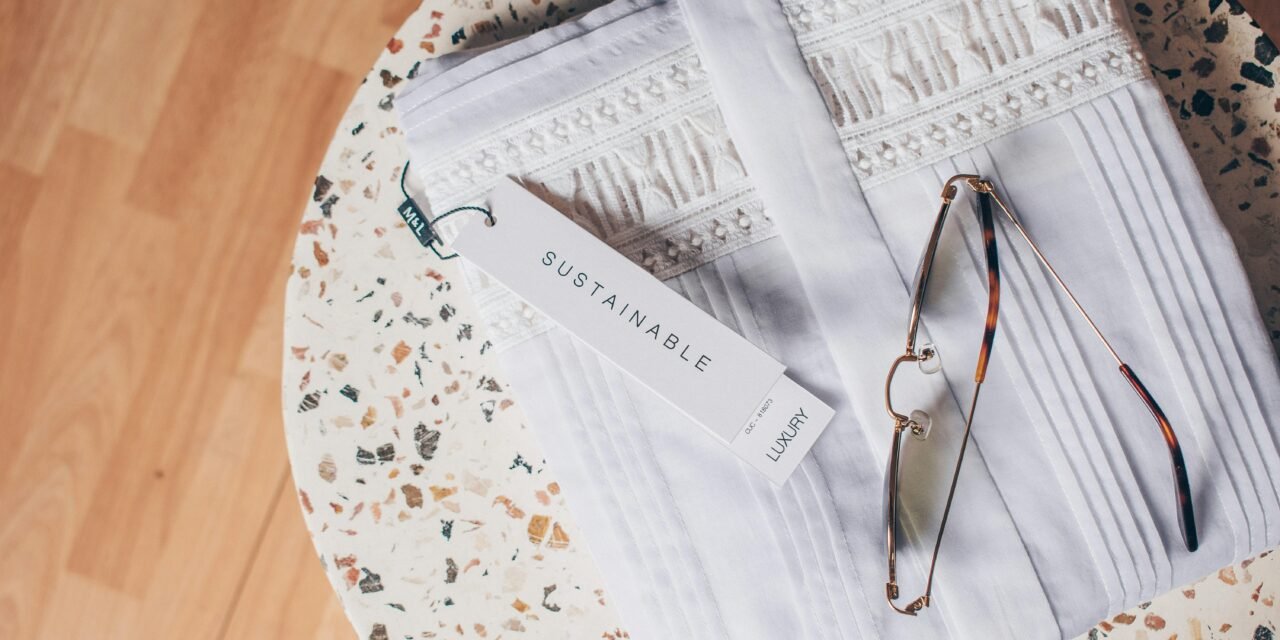
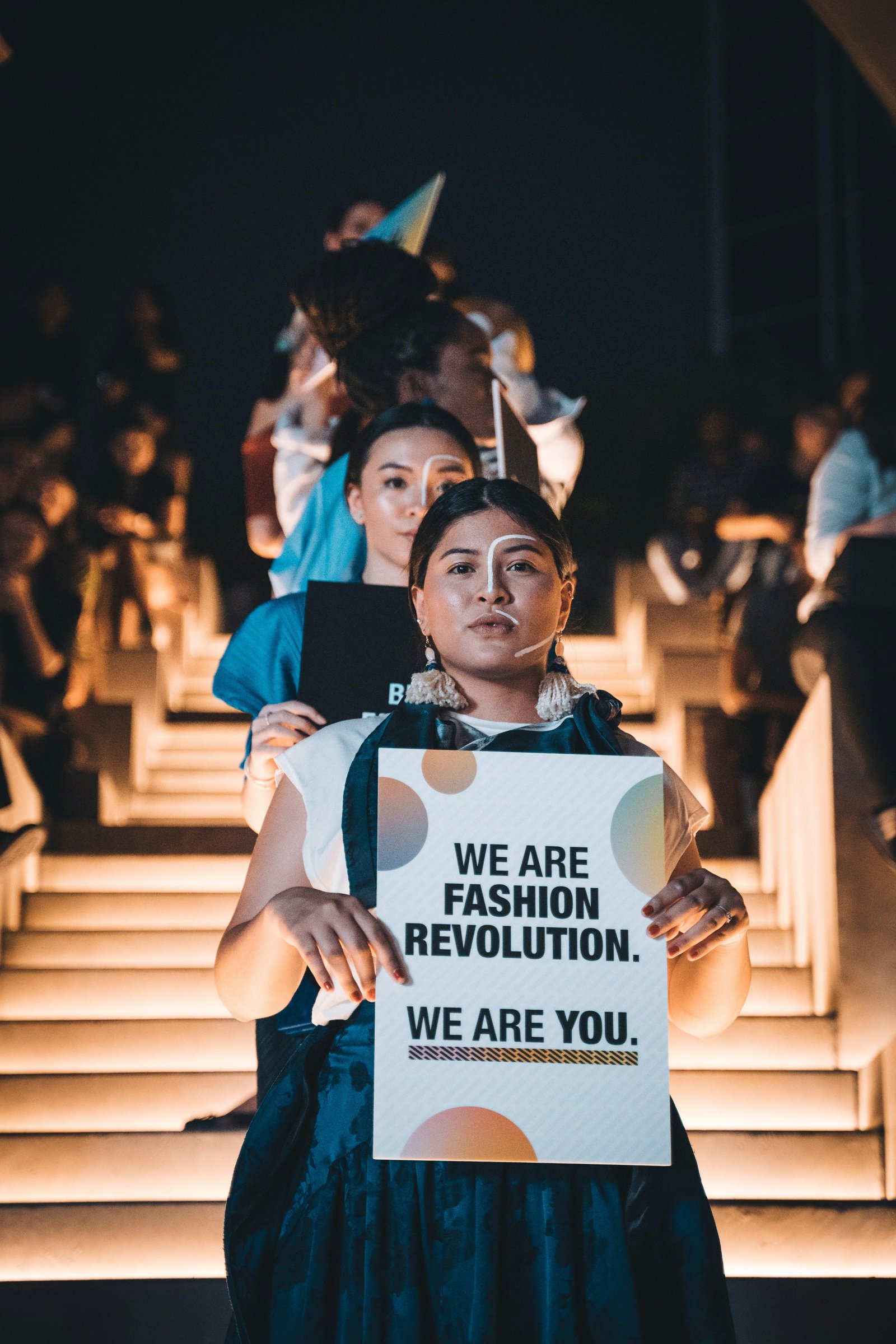
The fashion industry is evolving, with sustainability increasingly becoming a critical focus for designers, consumers, and brands alike. However, amidst the buzzwords and numerous claims, it’s crucial to discern which materials genuinely contribute to sustainable fashion. In this comprehensive guide, we will explore various sustainable materials and their impact on the environment, as well as provide practical tips for incorporating these eco-friendly choices into your wardrobe.
Understanding Sustainable Fashion
Before diving into specific materials, it’s important to understand what sustainable fashion entails. Sustainable fashion aims to reduce the negative environmental and social impacts of clothing production and consumption. This includes minimizing waste, reducing carbon footprints, and ensuring ethical labor practices. The choice of materials plays a significant role in achieving these goals.
Key Sustainable Materials in Fashion
1. Organic Cotton
Organic cotton is cultivated without the use of synthetic pesticides and fertilizers, making it less harmful to the environment:
- Benefits: Better soil quality, reduced water usage, and no chemical run-off.
- Drawbacks: Higher cost and limited availability compared to conventional cotton.
2. Tencel (Lyocell)
Tencel is a fiber made from sustainably sourced wood pulp, particularly from eucalyptus trees:
- Benefits: Biodegradable, uses less water and energy in production, and is manufactured in a closed-loop process.
- Drawbacks: Can be more expensive than conventional fibers and may require specific care instructions.
3. Recycled Polyester
Recycled polyester is made from post-consumer plastic bottles and other recycled plastic materials:
- Benefits: Diverts waste from landfills, reduces reliance on virgin resources, and has a lower carbon footprint.
- Drawbacks: Microplastics can still shed during washing, contributing to ocean pollution.
4. Hemp
Hemp is a fast-growing plant that requires minimal water and no pesticides, making it a robust sustainable material:
- Benefits: Strong and durable, biodegrades efficiently, and improves soil health.
- Drawbacks: Hemp can be more expensive and has a rough texture.
5. Linen
Linen is derived from the flax plant, which requires far fewer resources compared to cotton:
- Benefits: Naturally biodegradable, requires less water, and is highly durable.
- Drawbacks: Can wrinkle easily and might be less soft than cotton.
6. Piñatex (Pineapple Leather)
Piñatex is an innovative leather alternative made from pineapple leaf fibers, transforming agricultural waste into a sustainable material:
- Benefits: Biodegradable and adds value to pineapple farming.
- Drawbacks: Less durable than traditional leather and may require specific care.
Benefits of Choosing Sustainable Materials
Choosing sustainable materials for fashion has several benefits, not only for the environment but also for consumers and brands:
- Reduces Environmental Impact: Sustainable materials typically require less water, fewer chemicals, and create less waste.
- Promotes Ethical Practices: Many sustainable fashion brands focus on fair wages and safe working conditions for their workers.
- Improves Quality: Eco-friendly materials often result in higher-quality products that last longer.
- Supports Innovation: The shift towards sustainable materials drives innovation in the fashion industry.
Practical Tips for Sustainable Fashion Choices
Adopting sustainable fashion practices is easier than ever. Here are some practical tips to help you make eco-friendly choices:
- Research Brands: Look for brands that prioritize sustainable materials and ethical production practices.
- Choose Quality Over Quantity: Invest in fewer, high-quality pieces that will last longer.
- Support Second-Hand Shopping: Thrift stores and online marketplaces can be excellent sources of sustainable fashion.
- Repurpose and Upcycle: Give new life to old clothing by reworking or altering them.
- Invest in Sustainable Accessories: From bags to shoes, choose items made from sustainable materials.
Case Studies and Real-Life Examples
Several brands are leading the way in sustainable fashion by using innovative materials:
Example 1: Patagonia
Patagonia is renowned for its commitment to sustainability. They use recycled materials across many of their products, including polyester and nylon. Their “Worn Wear” program encourages customers to repair and recycle their gear.
Example 2: Stella McCartney
Stella McCartney famously avoids using leather and fur in her collections. She utilizes sustainable materials like Tencel and organic cotton, showcasing how luxury fashion can be eco-friendly.
Example 3: Rothy’s
Rothy’s produces stylish shoes and bags made from recycled water bottles. Their 3D knitting technology allows for minimal waste, demonstrating how sustainability can be woven into the fabric of the fashion industry.
First-Hand Experience: My Journey Towards Sustainable Fashion
As I ventured into the world of sustainable fashion, I was amazed at the variety of materials available. I started small-swapping out my regular cotton tees for organic cotton and invested in second-hand clothing. Not only did I feel better about my purchases, but I also discovered unique pieces that reflected my personal style.
Over time, I transitioned to shopping from brands that prioritize ethical practices and sustainable materials. My wardrobe became not just a collection of clothes but a testament to my values and commitment to a greener future.
Conclusion
In a world where fast fashion has dominated the market, making informed choices about materials can significantly impact the environment and society. Understanding which materials are truly sustainable empowers consumers to choose wisely and encourages brands to adopt better practices. By embracing materials like organic cotton, Tencel, recycled polyester, hemp, linen, and innovative alternatives like Piñatex, we can pave the way for a more sustainable fashion industry.
Whether you’re an eco-warrior or just beginning your sustainable fashion journey, every small change counts. Your wardrobe can be a force for good, leading to a more sustainable future. Take the first step today and discover the impact of your fashion choices.