
Jewelry is more than just an accessory; it’s an expression of your personality and style. However, for individuals with skin sensitivities and allergies, finding the right jewelry can be a challenge. Fortunately, there are various allergy-friendly ring materials that combine safety with style. This comprehensive guide explores these materials, their benefits, practical tips for selection, and real-life experiences to help you make informed choices.
Understanding Jewelry Allergies
Metal allergies, particularly to nickel, are common among jewelry wearers. According to the American Academy of Dermatology, up to 17% of women and 3% of men may suffer from metal allergies. Symptoms can include:
- Itching
- Redness
- Swelling
- Bumps or rash
If you experience any of these symptoms, it’s crucial to identify the alloys that are causing discomfort. This way, you can make informed choices about your jewelry purchases.
Top Allergy-Friendly Ring Materials
1. Titanium
Titanium is not only lightweight and strong, but it is also hypoallergenic, making it a fantastic choice for those with sensitivities. It’s resistant to corrosion and tarnishing, ensuring that your jewelry lasts a long time without losing its shine.
2. Surgical Stainless Steel
Surgical stainless steel (often referred to as 316L stainless steel) is another safe option. With properties similar to titanium, it’s durable, hypoallergenic, and resistant to rust and discoloration.
3. Platinum
Known for its luxurious appeal, platinum is a natural metal that is inherently hypoallergenic. While it may come with a higher price tag, its durability and resistance to tarnishing make it a worthwhile investment.
4. 14k or 18k Gold
Gold alloys, particularly those that are 14k or 18k, can be less likely to cause allergic reactions. Look for gold that specifically states it is nickel-free to avoid potential allergies.
5. Resin and Silicone
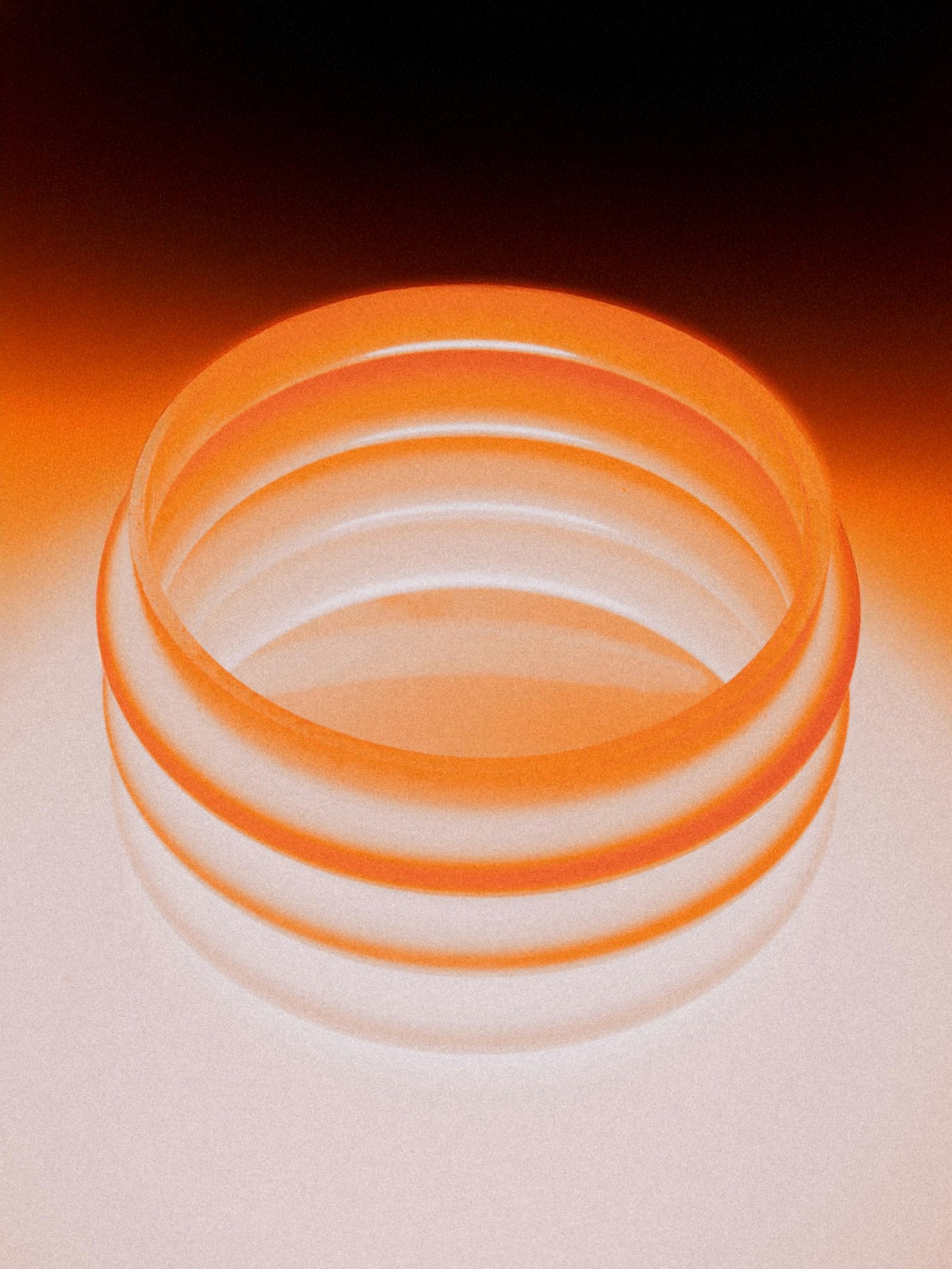
For those who prefer non-metal materials, resin and silicone rings are becoming increasingly popular. These materials are lightweight, customizable, and perfect for those with extreme metal allergies.
6. Copper and Pure Silver
Some people find they can wear pure metals like copper and sterling silver without issue. However, it’s essential to check individual reactions as alloys in these metals can sometimes contain allergens, specifically nickel.
Benefits of Choosing Allergy-Friendly Jewelry
Selecting allergy-friendly ring materials comes with multiple benefits:
- Comfort: Reduces the likelihood of irritation and allergic reactions.
- Durability: Many hypoallergenic materials resist tarnishing and corrosion.
- Affordability: Options like surgical stainless steel and silicone are budget-friendly.
- Variety: A wide range of stylish designs is available across all materials.
Practical Tips for Selecting Allergy-Friendly Rings
When searching for allergy-friendly rings, consider these practical tips:
- Look for Labels: Always check the labels or inquire about the metal content before purchasing.
- Ask Questions: Don’t hesitate to ask jewelers about the materials and their hypoallergenic properties.
- Consider Your Lifestyle: Choose materials that suit your everyday activities. For instance, if you’re highly active, silicone rings may be the best choice.
- Test Before You Invest: If possible, try wearing the ring for a day to see if you experience any irritation.
Case Studies: Real-Life Experiences
Understanding how allergy-friendly materials perform in real-life scenarios can provide useful insights. Below are a few testimonials:
Case Study 1: Sarah’s Titanium Triumph
After years of suffering from painful reactions to traditional jewelry, Sarah discovered titanium rings. “I was amazed at how lightweight and comfortable they felt,” she shared. “I can wear them all day without any irritation.”
Case Study 2: Mark’s Silicone Solution
For Mark, who works in construction, silicone rings became a game-changer. “I was worried about losing my wedding band, but silicone rings are perfect for my lifestyle! They’re secure, and I never have to worry about allergic reactions,” he expressed.
Design and Style: Finding the Right Look
Allergy-friendly rings come in various designs, ensuring you don’t have to compromise style for comfort. Here are some popular styles to consider:
Popular Styles
| Style | Material | Best For |
|---|---|---|
| Classic Band | Titanium | Everyday wear |
| Engagement Ring | Platinum | Long-lasting durability |
| Unique Design | Resin | Artistic expression |
Conclusion: Make Informed Choices for Your Jewelry
Choosing allergy-friendly ring materials opens up a world of possibilities for those with sensitivities. Whether you opt for titanium, surgical stainless steel, or even silicone, it is possible to enjoy beautiful jewelry without compromising on comfort. Always do thorough research and consider personal experience when selecting your next ring. Remember, stylish and safe jewelry is within your reach, so step forward confidently into a world of allergy-friendly fashion!
Understanding Metal Allergies and Their Causes
Metal allergies arise due to the body’s immune response to certain metal ions, commonly found in jewelry. Nickel is the most frequent culprit, but other metals such as cobalt and chromium may also trigger allergic reactions. Individuals can develop sensitivities at any point over time, meaning that even a previously worn piece may suddenly cause irritation. Understanding your specific metal allergies is paramount, as this will guide you toward the best jewelry choices for your unique needs.
Additional Allergy-Friendly Materials to Consider
7. Titanium Carbide
Titanium carbide is a modern alternative that delivers incredible hardness and scratch resistance. It maintains a sleek finish and offers a variety of style options. As a hypoallergenic material, it eliminates concerns for those with skin sensitivities while delivering a fashionable, robust solution.
8. PVD-Coated Materials
Physical vapor deposition (PVD) is a technique used to create a protective layer over materials like stainless steel, giving a vibrant finish while remaining hypoallergenic. PVD-coated rings come in an array of colors and styles, allowing individuals to express their creativity without risking allergic reactions.
9. Wood and Natural Elements
Wood rings and those featuring natural elements like stone or bamboo are gaining popularity among eco-conscious consumers. These materials are inherently free of metals that cause allergies, making them a great alternative for individuals looking to embrace a more organic aesthetic.
Jewelry Care Tips for Allergy-Friendly Materials
Once you’ve selected your allergy-friendly ring, maintaining it properly is key to ensuring its longevity and appearance. Here are some care tips:
- Keep it Clean: Regularly clean your jewelry using a gentle soap solution and a soft cloth to remove body oils, dirt, and residue.
- Avoid Harsh Chemicals: Stay clear of household cleaners or beauty products that may contain irritants, as these could tarnish or damage your jewelry.
- Store Carefully: Store rings separately in a soft pouch or jewelry box to prevent scratching and to maintain their shine.
Finding the Right Jewelers and Retailers
Choosing the right jeweler is crucial to finding high-quality, allergy-friendly materials. Look for jewelers who are transparent about their materials and offer a variety specifically marked hypoallergenic. Reading reviews and exploring online forums can also help you discover reputable retailers who specialize in allergy-friendly jewelry.
Fashion Forward: Mixing and Matching Allergy-Friendly Jewelry
One of the greatest benefits of allergy-friendly jewelry is the ability to blend styles and materials without concern for irritation. Mixing silicone rings with metallic bands or pairing acrylic pieces with resin can create stunning combinations that reflect your unique style. Experimenting with layering and stacking can also add visual interest and personal flair to your look.
The Rise of Customization in Allergy-Friendly Jewelry
With the increase in demand for personalized jewelry, many artisans now offer customizable options using allergy-friendly materials. This way, you can create unique pieces that celebrate your individuality while ensuring comfort and safety. From engraving your initials on a titanium band to designing a one-of-a-kind resin piece imbued with your favorite colors, the possibilities are vast!
Community and Support for Allergy-Sensitive Individuals
Connecting with others who experience similar challenges can provide invaluable support. Online forums, local support groups, and social media communities dedicated to jewelry allergies allow individuals to share tips, product recommendations, and personal anecdotes. Engaging with such communities can empower you to make informed decisions and feel more connected to others navigating the same issues.
Conclusion: Embrace Your Style and Comfort
With the knowledge of available materials and an understanding of how to care for your jewelry, finding stylish options that are friendly on the skin is entirely feasible. Enjoy expressing your personality through beautiful rings that not only resonate with your style but also prioritize your comfort and wellbeing.