
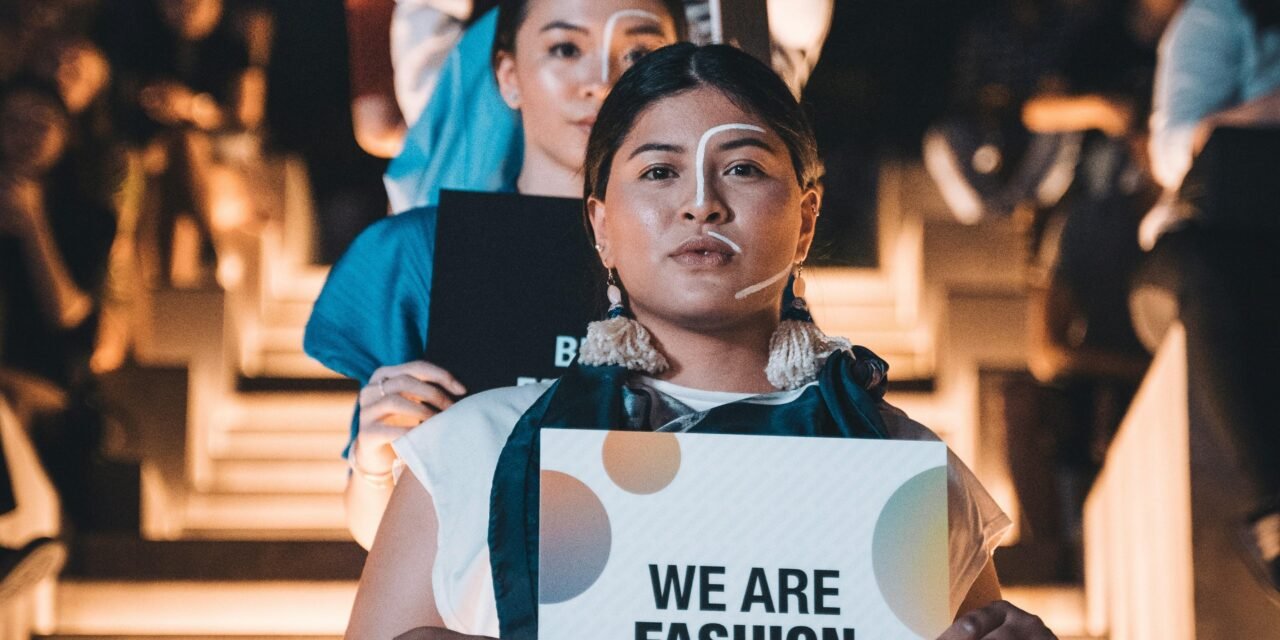
In a world increasingly aware of environmental and social issues, sustainable fashion has emerged as a crucial topic. Not only does it address the consumption impacts of fast fashion, but it also proposes a holistic approach to style that prioritizes both ethics and aesthetics. In this article, we’ll explore what sustainable fashion truly means, its key principles, benefits, practical tips for integrating it into your wardrobe, and more.
Understanding Sustainable Fashion
Sustainable fashion is more than just a trend; it represents a fundamental shift towards responsible production and consumption. Here are some key components:
- Ethical Production: Companies should ensure fair wages, safe working conditions, and no exploitation in their supply chains.
- Environmental Impact: Sustainable practices consider the consumption of natural resources and aim to minimize waste and pollution.
- Longevity: Well-made garments that last longer reduce the need for frequent replacements, promoting a more sustainable wardrobe.
The Benefits of Sustainable Fashion
Adopting sustainable fashion practices has numerous benefits, including:
- Reduced Environmental Impact: Sustainability practices help lower carbon footprints, conserve water, and reduce waste.
- Support for Local Economies: Many sustainable brands support local artisans, thereby bolstering local economies.
- Healthier Choices: Sustainable fashion often uses organic and non-toxic materials, which are healthier for consumers.
Practical Tips for Building an Ethical Wardrobe
Transitioning to sustainable fashion doesn’t have to be daunting. Here are some practical tips to help you make ethical style choices:
1. Research Brands
Look for brands that are transparent about their supply chains. Utilize resources like Good On You to check brand ratings.
2. Prioritize Quality Over Quantity
Invest in timeless pieces that can be styled in various ways rather than fast fashion items that may only last a season.
3. Embrace Second-Hand Shopping
Thrift stores, vintage shops, and online marketplaces can help you find unique pieces while reducing the demand for new clothing.
4. Organize Clothing Swaps
Host clothing swap events with friends to give your wardrobe a fresh update without buying new items.
Case Studies in Sustainable Fashion
Here are some brands making waves in the sustainable fashion scene:
| Brand | Sustainability Focus | Notable Products |
|---|---|---|
| Patagonia | Repair and reuse initiatives | Outdoor wear |
| Eileen Fisher | Organic materials & recycling | Women’s clothing |
| Everlane | Transparency in pricing | Wardrobe essentials |
First-Hand Experience with Sustainable Fashion
As someone who has gradually shifted to a more sustainable wardrobe, I can attest to the positive changes it brings. Initially, I struggled with finding stylish options that were also environmentally friendly. However, after researching various brands and attending local clothing swaps, my wardrobe transformed into a curated collection of high-quality, ethical pieces.
The joy of wearing something I know is ethically made is incredibly rewarding. It feels good to promote sustainability, not just for myself, but also for the planet.
How to Spread Awareness About Sustainable Fashion
Making ethical style choices is not just a personal journey; it can also inspire others. Here’s how to spread the word about sustainable fashion:
- Social Media: Share your sustainable outfits and tips on platforms like Instagram and Pinterest.
- Community Engagement: Organize workshops or talks at local community centers about sustainable practices.
- Collaborate with Local Brands: Partner with brands to showcase sustainable styles in your area.
Conclusion
Sustainable fashion encompasses a broad spectrum of ethical practices and conscious consumerism. By making informed choices, you not only enhance your personal style but also contribute to a more sustainable future for our planet. Remember, each small step counts, whether it’s supporting eco-friendly brands, investing in timeless pieces, or embracing a second-hand lifestyle. Let’s decode sustainable fashion together and lead the way towards a more ethical wardrobe.
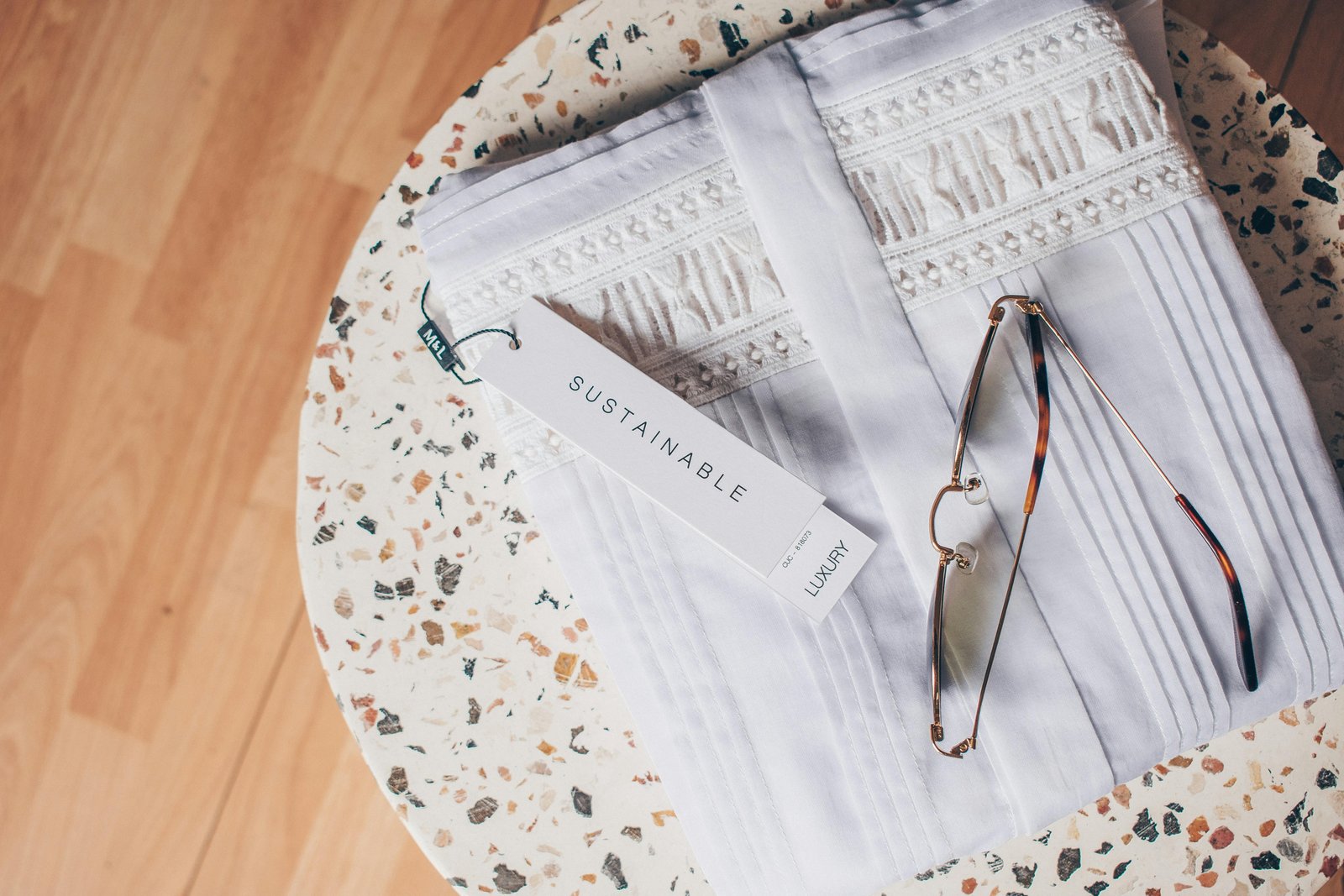
Innovations in Sustainable Textiles
The realm of sustainable fashion is continuously evolving, especially in the area of textiles. Here’s a look at some innovative materials making waves and pushing the boundaries of sustainability:
- Bamboo Fabric: Known for its softness and biodegradability, bamboo fabric is produced from the pulp of the bamboo plant, which grows quickly and requires minimal water.
- Recycled Polyester: Made from post-consumer plastics, recycled polyester diverts waste from landfills and reduces reliance on virgin polyester, making it a more sustainable option in activewear and outerwear.
- Organic Cotton: Traditional cotton farming is resource-intensive; organic cotton uses no synthetic pesticides or fertilizers, promoting healthier soil and ecosystems.
Eco-Friendly Fashion Certifications
As consumers, recognizing the certifications that indicate sustainable and ethical practices is essential. Here are some of the most reputable ones:
- Global Organic Textile Standard (GOTS): This certification ensures that textiles are made from organic fibers and adhere to strict environmental and social criteria.
- OEKO-TEX Standard 100: Products bearing this label have been tested for harmful substances and are deemed safe for human use.
- Fair Trade Certified: This certification indicates that products were made under fair labor conditions, ensuring fair wages and benefits for workers.
Mindful Consumerism: Shopping Practices
Embracing sustainable fashion also involves adopting mindful shopping practices. Here are some suggestions to consider when updating your wardrobe:
1. The 30-Wear Rule
Ask yourself if you’ll wear an item at least 30 times before purchasing. If not, it might be wise to put it back on the rack.
2. Follow a Capsule Wardrobe Approach
A capsule wardrobe-a curated collection of versatile clothing pieces-helps streamline your choices and minimizes impulse purchases.
3. Repair and Upcycle
Before tossing damaged items, consider repairing or upcycling them. Many garment brands now offer services to help you restore your clothing.
The Role of Technology in Sustainable Fashion
Tech innovations are playing a pivotal role in advancing sustainable fashion. Some noteworthy examples include:
- 3D Printing: This technology allows for the creation of garments with minimal waste and can significantly reduce production times.
- Blockchain Technology: Enhancing transparency in supply chains, blockchain can track the journey of garments from material sourcing to end product.
- Virtual Dressing Rooms: By allowing customers to try clothes digitally, these platforms help reduce return rates, minimizing waste associated with shipping and logistics.
Global Movements and Collaborations
Numerous global movements are advocating for sustainable fashion. Here are a few noteworthy initiatives:
- Fashion Revolution Week: This campaign raises awareness about the fashion industry’s impact and encourages consumers to ask brands “Who made my clothes?”
- The Sustainable Apparel Coalition: A collaborative effort among brands, manufacturers, and NGOs focused on sustainability in the apparel and footwear sectors.
- The Ellen MacArthur Foundation: Promoting a circular economy in fashion, this foundation helps brands rethink their entire lifecycle, from production to end-of-use.
Engaging with Sustainable Fashion Communities
Engagement with like-minded communities amplifies the impact of sustainable fashion. Here are ways to connect:
- Join Local Groups: Look for local groups or meet-ups focused on sustainable fashion, where you can exchange ideas and share resources.
- Participate in Online Forums: Websites and social media groups dedicated to sustainable fashion can offer support, inspiration, and education.
- Attend Sustainable Fashion Events: Fashion shows, trade fairs, and other events focused on sustainability can help you learn more while networking with industry experts.


