
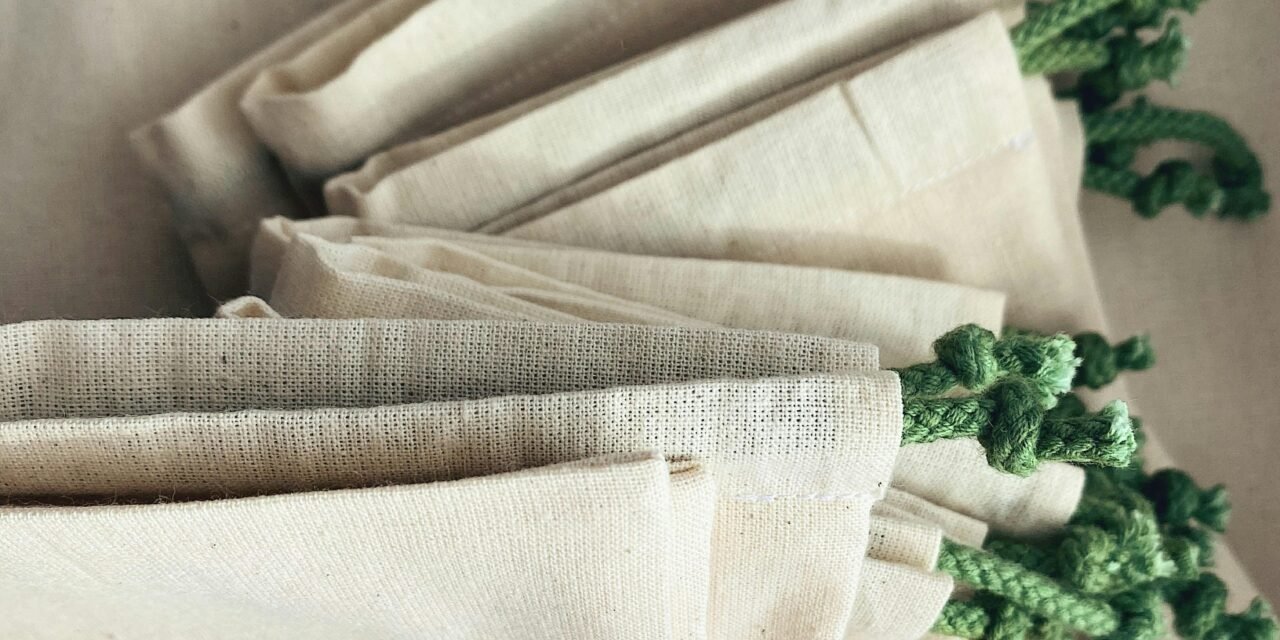
As fashion evolves, so does our awareness of its environmental impact. With a growing emphasis on sustainability, the fashion industry is gradually shifting towards eco-friendly fabrics. These materials not only help reduce waste and pollution but also promote fair labor practices. In this article, we will explore some of the top eco-friendly fabrics used in sustainable and fair fashion, along with their benefits, practical tips for choosing them, and some inspiring case studies.
The Importance of Eco-Friendly Fabrics
Eco-friendly fabrics are essential for several reasons:
- Environmental Impact: Traditional fabrics like cotton or polyester have high water and chemical usage. Eco-friendly fabrics often come from sustainable sources, meaning less pollution and a lower carbon footprint.
- Ethical Considerations: Many eco-friendly fabrics are produced under fair labor practices, ensuring workers are treated well and paid fairly.
- Health Benefits: Natural fibers, often used in eco-friendly fabrics, are generally free of harmful chemicals, making them safer for your skin.
Top Eco-Friendly Fabrics
1. Organic Cotton
Organic cotton is grown without synthetic pesticides or fertilizers. This sustainable material is soft, breathable, and ideal for clothing. Choosing organic cotton supports biodiversity and reduces water usage compared to conventional cotton.
2. Hemp
Hemp is one of the fastest-growing plants and requires very little water. It’s naturally resistant to pests, eliminating the need for harmful chemicals. Hemp fabric is incredibly durable and becomes softer with each wash, making it perfect for clothing and accessories.
3. Tencel (Lyocell)
Tencel is produced from sustainably farmed trees and uses a closed-loop manufacturing process that recycles water and solvents. The fabric is soft, breathable, and biodegradable, making it a fantastic choice for sustainable fashion.
4. Linen
Linen, made from flax plants, requires fewer resources than cotton. It is biodegradable and has a minimal environmental footprint. Linen is known for its strength and breathability, making it perfect for summer clothing.
5. Recycled Polyester
Recycled polyester is made from post-consumer plastic bottles or other plastic waste. Using recycled materials reduces the need for new nylon production, conserving resources and reducing greenhouse gas emissions. It’s ideal for activewear and outdoor gear.
Benefits of Choosing Eco-Friendly Fabrics
Incorporating eco-friendly fabrics into your wardrobe has numerous benefits:
- Reduced Environmental Impact: Opting for sustainable materials leads to lower ecological footprints.
- Support for Fair Trade: Many sustainable brands prioritize ethical production practices.
- Higher Quality: Eco-friendly fabrics tend to be more durable and long-lasting, which can save money in the long run.
Practical Tips for Choosing Eco-Friendly Fabrics
Here are some tips to help you make conscious fashion choices:
- Look for Certifications: Check for labels such as GOTS (Global Organic Textile Standard) or OEKO-TEX, which ensure sustainability.
- Research Brands: Support brands committed to sustainable practices by researching their supply chains and manufacturing processes.
- Shop Second-Hand: Thrifting or buying vintage reduces demand for new fabrics and minimizes waste.
- Prioritize Versatility: Choose eco-friendly fabrics that you can wear for multiple occasions to maximize their use.
Case Studies: Brands Leading the Charge in Sustainable Fashion
| Brand | Eco-Friendly Fabric Used | Notable Products |
|---|---|---|
| Patagonia | Recycled Polyester | Outdoor Gear |
| Eileen Fisher | Organic Cotton | Women’s Apparel |
| People Tree | Hemp and Tencel | Casual Wear |
| Reformation | Low-Impact Fabrics | Fashion Dresses |
First-Hand Experiences with Eco-Friendly Fabrics
Making the switch to eco-friendly fabrics has been a game-changer for many consumers. Here are some testimonials:
- Sarah, a sustainable fashion blogger: “Switching to organic cotton changed my perspective on fashion. It feels so luxurious and I love knowing that I’m supporting ethical practices.”
- John, an outdoor enthusiast: “I never knew recycled polyester could be so durable! My Patagonia jacket has held up better than previous non-sustainable options.”
The Future of Sustainable Fashion
The movement towards eco-friendly fabrics is gaining momentum, with more consumers prioritizing sustainability in their purchasing decisions. As awareness grows, we can expect innovations in eco-friendly materials and production processes. It is essential for consumers to stay informed and advocate for transparency in the fashion industry.
Conclusion
Choosing eco-friendly fabrics is not just a trend; it’s a vital step towards a more sustainable and ethical fashion industry. By understanding the materials available, their benefits, and how to choose them effectively, consumers can make conscious choices that positively impact the environment. Whether you’re updating your wardrobe or looking for ways to be more environmentally responsible, opting for sustainable fabrics is a meaningful and impactful decision. Remember, every small change counts in our journey towards a more sustainable future!
Innovations in Eco-Friendly Materials
The landscape of sustainable fashion is rapidly evolving to include innovative materials that push the boundaries of what eco-friendly fabrics can be. Designers and researchers are increasingly experimenting with biodegradable options, plant-based leather, and advanced textile technologies, paving the way for a greener future.
1. Piñatex
Piñatex is a revolutionary alternative to leather made from the fibers of pineapple leaves. This innovative material is not only sustainable but also provides an additional source of income for farmers by utilizing agricultural waste. With its unique texture and durability, Piñatex is being embraced by various fashion houses for bags, shoes, and apparel.
2. Recycled Nylon
Recycled nylon, often reclaimed from fishing nets or old textiles, is an excellent alternative to virgin nylon. Brands like ECONYL have developed a closed-loop process that reduces waste and encourages the recycling of materials. This fabric offers the same performance characteristics as traditional nylon, making it a popular choice for activewear and swimwear.
3. Spider Silk
Inspired by nature, scientists are creating synthetic spider silk from yeast, sugar, and water. This biofabric is incredibly strong and lightweight, offering a sustainable alternative to conventional textiles. Companies like Modern Meadow and Spiber are at the forefront of producing this remarkable material, which could revolutionize garment production.
4. Banana Fiber
Utilizing the waste from banana cultivation, banana fiber is eco-friendly and incredibly sustainable. This fabric is known for its durability and unique texture, making it a viable option for clothing, home furnishings, and accessories. Artisans in various regions of Asia have long utilized banana fiber, bringing traditional methods into modern fashion.
Supporting Local Artisans and Communities
Choosing eco-friendly fabrics also provides an opportunity to support local artisans and communities around the world. Many sustainable fashion brands prioritize working with small-scale producers to enhance fair trade practices and empower individuals.
Handwoven Fabrics
Handwoven fabrics are often produced in rural communities, utilizing traditional techniques passed down through generations. By purchasing these textiles, consumers can help preserve cultural heritage while providing a sustainable income for artisans. Realizing the value of handmade products also encourages a shift away from fast fashion and its negative impacts.
Impact on Local Economies
Investing in sustainable fabrics from local artisans not only boosts individual livelihoods but also strengthens local economies. When brands source their materials responsibly, they contribute to the economic development of areas that may otherwise struggle. This model fosters a sense of community and promotes sustainable practices ensuring that all parties benefit from the fashion supply chain.
The Role of Consumer Education
Consumer awareness and education are pivotal in the drive toward more sustainable fashion. By understanding the significance of eco-friendly fabrics and the impact of their choices, consumers can influence industry practices.
Workshops and Outreach Programs
Many brands and organizations are offering workshops and outreach programs aimed at educating consumers about sustainable practices and materials. These initiatives encourage participants to delve deeper into the environmental and ethical implications of their purchasing decisions. Engaging consumers in discussions concerning sustainability fosters community and inspires thoughtful shopping habits.
The Role of Social Media
Social media plays a critical role in spreading awareness of sustainable fashion and eco-friendly materials. Influencers and advocates share resources, tips, and information about sustainable brands, reaching a wider audience. This platform allows for discussions surrounding fashion’s impact on the environment and encourages consumers to make informed choices.
Collaborations for Sustainability
Collaborations between fashion brands and environmental organizations have become increasingly common as more entities recognize the importance of sustainability. By joining forces, brands can pool resources and knowledge, yielding greater impact.
Design Partnerships
Design partnerships often focus on creating collections that minimize waste and utilize eco-friendly materials. Such partnerships push the envelope of conventional design practices and introduce consumers to innovative concepts that combine style with sustainability. Brands like Stella McCartney have effectively collaborated with various organizations to create eco-conscious collections that embody the future of fashion.
Community Initiatives
Many brands are also supporting cleanup projects, tree planting initiatives, or educational campaigns aimed at raising awareness about environmental issues. These initiatives demonstrate a brand’s commitment to sustainability beyond just their product line, creating a holistic approach that resonates with ethically-conscious consumers.


