
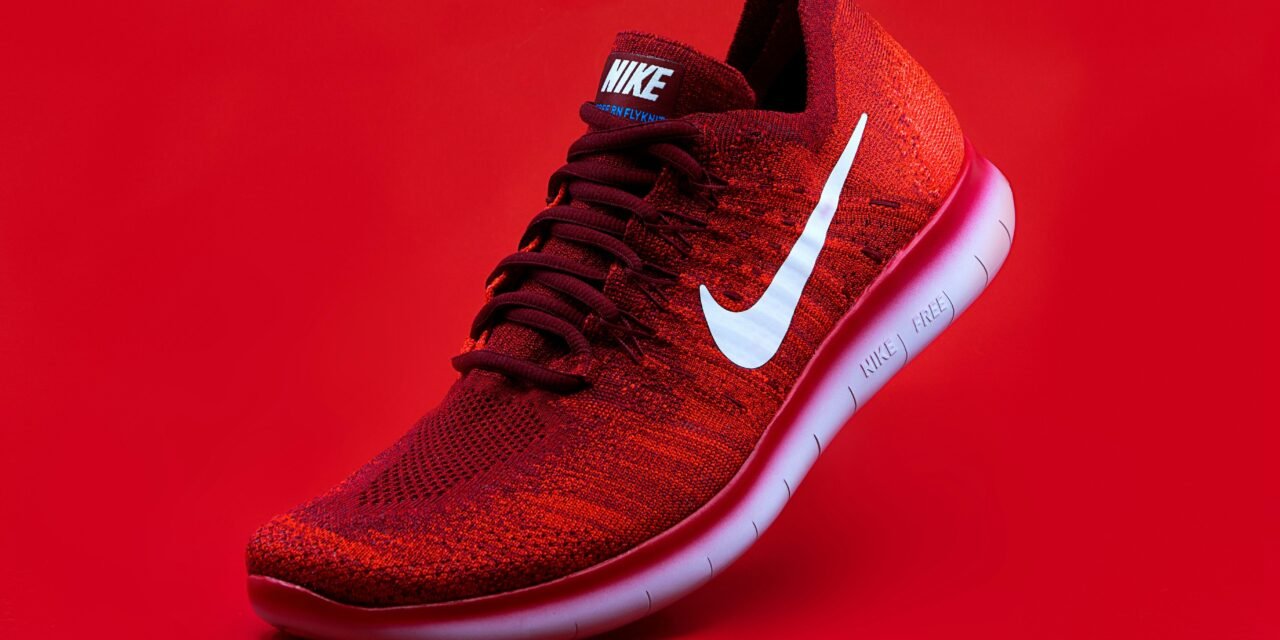
When venturing into the world of sports and fitness, one of the most crucial decisions you’ll have to make is selecting the right pair of sports shoes. The wrong choice could lead to discomfort, inefficient performance, or even injuries. This comprehensive guide will help you navigate the essentials of buying sports shoes, ensuring you make an informed decision that enhances your athletic experience.
Understanding Your Needs
The first step in choosing the right sports shoes is understanding your specific needs. The type of sport or activity you engage in plays a significant role in determining what features you should look for in a shoe. Here are some common types of sports activities:
- Running: Look for shoes that provide cushioning and support, tailored to your running style.
- Basketball: Seek shoes with good ankle support and traction to handle quick lateral movements.
- Tennis: You’ll want shoes that offer stability, comfort, and are specifically designed for court surfaces.
- Cycling: Shoes should have a stiff sole for maximum power transfer and compatibility with pedal systems.
- Training/Gym: Versatile shoes that provide support during various fitness activities.
Key Features to Consider When Buying Sports Shoes
1. Fit and Comfort
Comfort is paramount when selecting sports shoes. Always try them on with the type of socks you’ll wear during your activity. A proper fit should:
- Allow for a thumb’s width of space between your longest toe and the end of the shoe.
- Feel snug but not tight; your foot should not slide around inside the shoe.
- Provide arch support tailored to your foot type (flat, neutral, or high arches).
2. Cushioning and Support
A shoe’s cushioning affects shock absorption and overall comfort during activities. Consider the following:
- Type of Cushioning: Air, foam, or gel cushions can provide varying degrees of comfort and support.
- Midsole Material: EVA (Ethylene Vinyl Acetate) is commonly used for its lightweight properties.
3. Traction and Outsole
The outsole of the shoe provides traction, essential for stability during movement. Features to look for:
- Rubber Outsole: Offers excellent grip and durability.
- Tread Pattern: Should be suited to the surface (trail vs. pavement).
4. Breathability
Good ventilation helps keep your feet cool during activities. Look for shoes with:
- Mesh uppers that allow airflow.
- Moisture-wicking materials that reduce sweat accumulation.
5. Weight
The weight of the shoe can impact your performance. Lightweight shoes are generally preferred for speed, while heavier shoes may provide more support and durability.
Benefits of Choosing the Right Sports Shoes
Investing in the right pair of sports shoes offers numerous benefits:
- Improved Performance: Proper shoes enhance your efficiency in sports activities.
- Injury Prevention: Reduces the risk of injuries like shin splints, plantar fasciitis, and ankle sprains.
- Increased Comfort: Enjoyment of the activity is heightened when you are comfortable.
Practical Tips for Buying Sports Shoes
To ensure you make the best choice, keep these practical tips in mind:
- Visit a specialty shop with knowledgeable staff who can analyze your gait and recommend shoes.
- Try on shoes at the end of the day when your feet are slightly swollen for a more accurate fit.
- Always walk and run around the store to test the shoes in action before purchasing.
- Check for return policies in case they don’t work well after a few wears.
Case Studies: Real Experiences
| Activity | Chosen Shoe | Outcome |
|---|---|---|
| Running | Nike Air Zoom Pegasus | Increased mileage comfort, reduced shin splints. |
| Basketball | Adidas Harden Volume 5 | Enhanced grip, fewer ankle injuries. |
| Tennis | Asics Gel Resolution 8 | Improved stability, better foot support during lateral movements. |
First-Hand Experience
After years of trying various sports shoes, I finally invested in a pair of Saucony Kinvara for my running routine. Initially skeptical about their light-weight design, I was pleasantly surprised by the comfort and responsiveness during my runs. The shock absorption was excellent, and I noticed a significant reduction in my usual post-run soreness. It made me realize how much of a difference the right footwear can make!
Conclusion
Purchasing sports shoes doesn’t have to be overwhelming. By understanding your specific needs and considering key features such as fit, support, and breathability, you can make a well-informed choice. The right sports shoes can significantly enhance your performance, provide comfort, and even help prevent injuries. So, next time you’re in the market for athletic footwear, remember to follow this essential guide to ensure you step into your favorite activities with confidence and style!
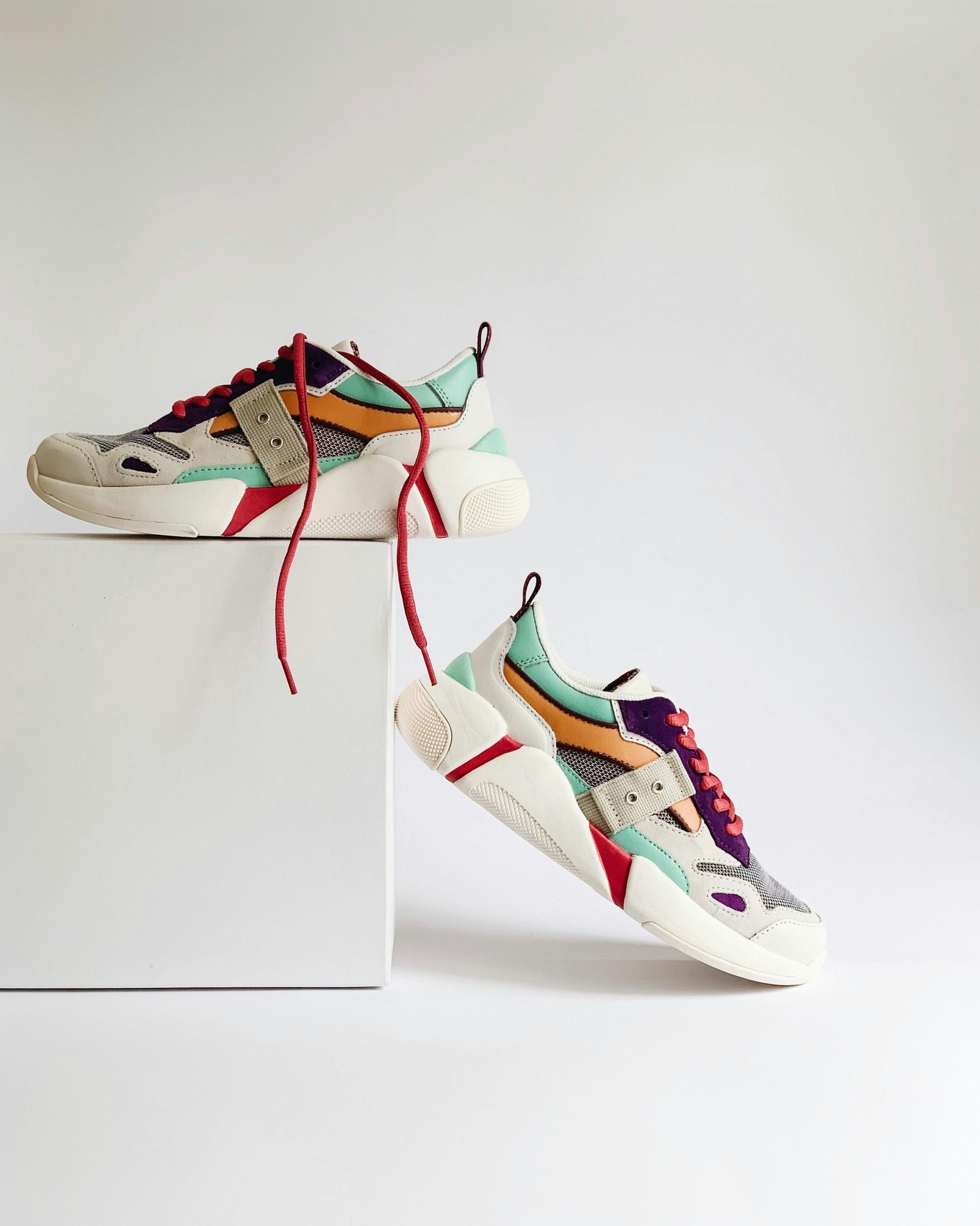
Understanding Your Foot Type
Before making a purchase, it’s essential to understand your foot type, as this significantly influences the shoe you should choose. Common foot types include:
- Neutral Arch: Ideal candidates for a variety of shoes, as they don’t have excessive pronation or supination.
- Flat Feet: Require stability shoes with extra support to prevent overpronation.
- High Arches: Benefit from cushioned shoes that allow for shock absorption, preventing excessive impact during sports.
To determine your foot type, consider performing a wet test. Wet your foot and step onto a piece of cardboard. The shape of your footprint will give you clues about your arch type, helping you make a more informed decision.
Selecting the Right Brand and Style
Each shoe brand has its unique features and fits. While it’s tempting to follow trends or make a purchase based solely on appearance, found your perfect match through trying various brands. Some popular brands include:
- Nike: Known for cutting-edge technology and versatile shoe offerings.
- Adidas: Offers a wide range of sneakers that provide both style and performance.
- Brooks: Focused specifically on running footwear, known for comfort and support.
- Puma: Blends performance with trendsetting styles.
Take your time exploring different styles and brands, as this can increase your chances of finding the perfect fit for your feet and preferred activities.
When to Replace Your Sports Shoes
Even the best sports shoes will wear out over time. Knowing when to replace your footwear is essential for maintaining performance and injury prevention. Here are some signs it might be time for a new pair:
- Visible Wear and Tear: Check for worn-out soles or upper materials that are fraying or cracking.
- Decreased Cushioning: If you notice more impact during your workouts or activities, the cushioning may have degraded.
- Pain and Discomfort: If you start to experience new aches or pains that weren’t there before, this could indicate that your shoes are no longer providing adequate support.
- Frequency of Use: Consider the lifespan of your shoes. Most running shoes generally last between 300-500 miles, depending on usage and body weight.
Customization and Orthotics
For individuals with specific foot issues or requirements, considering custom orthotics may significantly enhance comfort and performance. Custom orthotics are designed to provide personalized support tailored to your foot structure, reducing pain and improving alignment. They can be particularly beneficial if you have issues such as:
- Overpronation or supination
- Plantars fasciitis
- Postural problems
Consult with a podiatrist or a specialized footwear expert to see if orthotics are a suitable option for your shoe selection process.
Maintaining Your Sports Shoes
Proper care can extend the lifespan of your sports shoes considerably. Here are a few tips to keep them in top condition:
- Cleaning: Regularly clean your shoes to remove dirt and debris. Use a soft brush and mild soap, avoiding harsh chemicals.
- Drying: If they get wet, let them air-dry naturally instead of using a heater, which can damage the materials.
- Rotation: If possible, have more than one pair of sports shoes for different activities or to rotate use, allowing each pair time to recover between workouts.
Price Versus Quality
It’s important to strike a balance between price and quality when purchasing sports shoes. While you don’t need to choose the most expensive model on the market, investing in a reputable brand that offers durability and top-notch features often pays off in the long run. Keep an eye out for sales events and discounts that can make high-quality shoes more accessible to your budget.
Additionally, remember that while high-end shoes often come with advanced technologies, they may not always be the best fit for your needs. Test various options within your price range to find the perfect blend of quality and affordability.


