
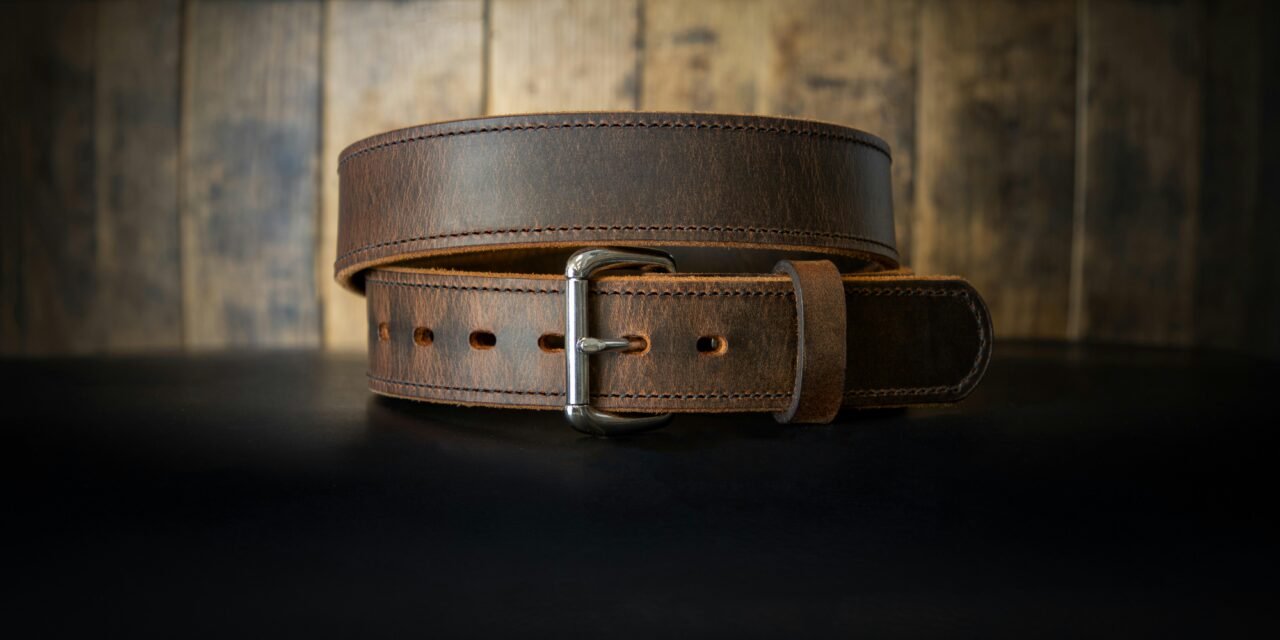
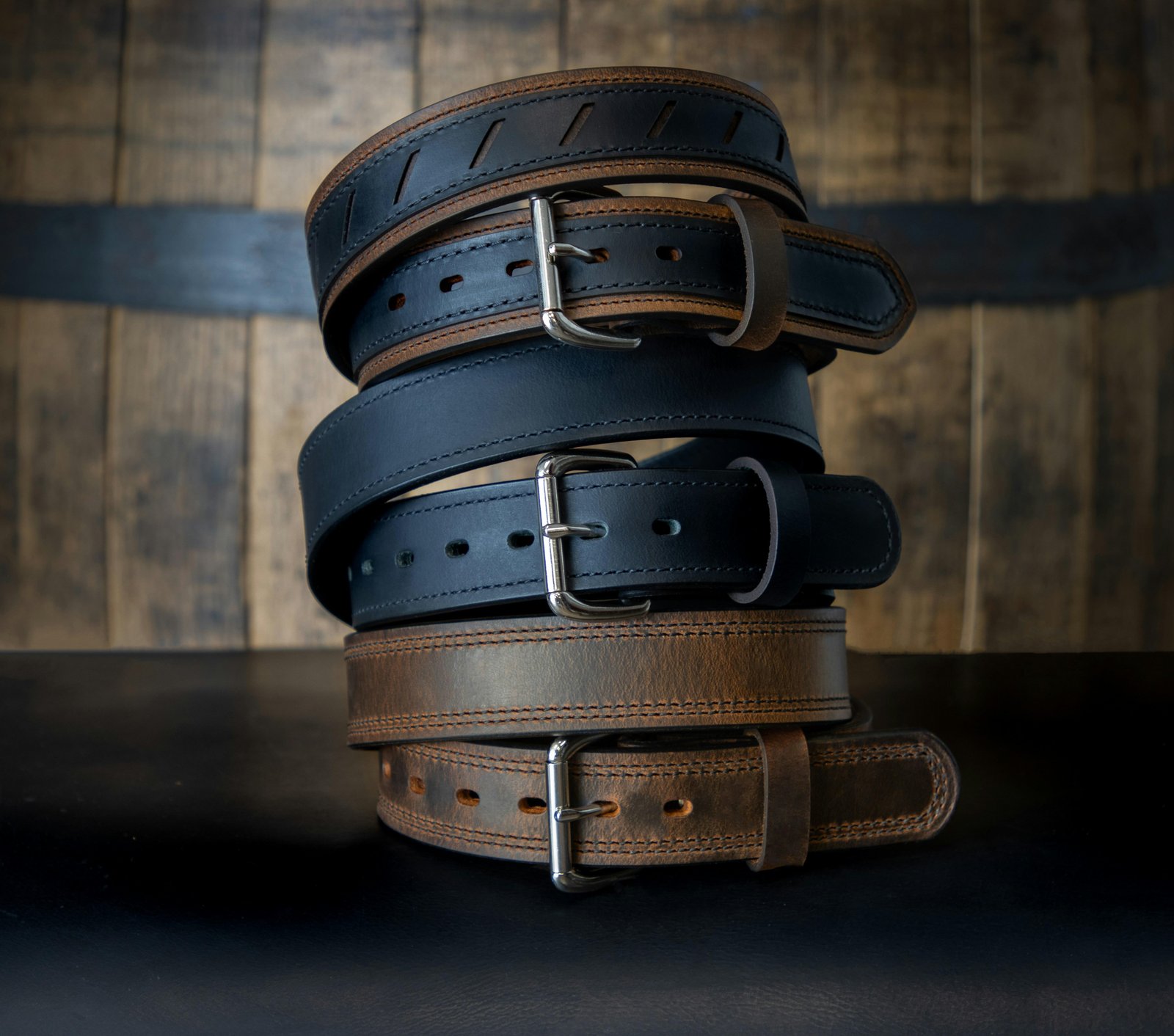
Leather belts are not just practical accessories; they are investments in style and longevity. A well-cared-for leather belt can enhance your wardrobe for years, providing both functionality and aesthetic appeal. However, without proper care, even the finest leather can suffer damage, resulting in unsightly cracks and blemishes. In this article, we will explore essential tips for leather belt maintenance, must-have accessories to ensure longevity, and other practical insights to keep your belts in pristine condition.
Understanding Leather: The Foundation of Care
Before diving into care tips, it’s essential to understand the unique properties of leather. Wildly known for its durability and classic appearance, leather is a natural material that, when treated well, ages beautifully. Traditional leather types include:
- Full-grain leather: Retains most of the hide’s natural texture and qualities; most durable.
- Top-grain leather: Sanded and refinished; offers a balance between durability and affordability.
- Genuine leather: Lower quality; made from the remnants after high-quality leather production.
Benefits of Proper Care for Leather Belts
Caring for your leather belts has numerous advantages, including:
- Longevity: Proper maintenance extends the lifespan of the belt, saving you money on replacements.
- Appearance: Consistent care keeps your belts looking new and polished.
- Comfort: Well-maintained leather is softer and becomes more comfortable over time.
Essential Tips for Proper Care of Leather Belts
1. Regular Cleaning
Keeping your leather belt clean is foundational in its maintenance. Here’s how:
- Use a soft cloth: Regularly wipe the surface with a dry, soft cloth to remove dust and dirt.
- Use mild soap: For deeper cleaning, dampen a cloth with water and add a few drops of mild soap, gently rubbing the surface.
- Dry naturally: After cleaning, let your belt air dry away from direct sunlight or heat sources to avoid drying and cracking.
2. Conditioning Leather
Conditioning your leather belt helps to maintain its suppleness. Follow these steps:
- Choose the right conditioner: Use a high-quality leather conditioner specifically designed for your leather type.
- Apply sparingly: Use a soft cloth to apply the conditioner, focusing on any creased areas.
- Let it soak: Allow the conditioner to soak into the leather for about 20 minutes before buffing off any excess.
3. Storage Matters
How and where you store your leather belts impacts their lifespan. Consider the following:
- Use a belt rack: Invest in a dedicated belt rack to hang your belts, preventing creases.
- Avoid hanging for long periods: While it’s important to keep them hung up, avoid doing so for extended periods to prevent overstressing the leather.
- Keep away from humidity: Store belts in a dry environment; humidity can cause mold and mildew.
4. Avoid Direct Sunlight and Heat
Exposing leather to direct sunlight or high heat can lead to fading and cracking. Here are some tips:
- Find dark spots: Store your belts in a dark cabinet or drawer to avoid direct sunlight exposure.
- Maintain room temperature: Avoid placing belts near heat sources like radiators or heaters.
5. Be Cautious with Water
Leather is not waterproof, so it’s essential to take precautions:
- Waterproof spray: Consider using a water-repellent spray designed for leather.
- Immediate care: If your belt gets wet, blot it dry with a clean cloth and let it air dry naturally.
Must-Have Accessories for Leather Belt Care
Investing in the right accessories can greatly enhance the care of your leather belts. Here are must-have items to consider:
- Leather conditioner: A high-quality conditioner helps maintain softness and shine.
- Soft brushes or cloths: Essential for cleaning and polishing your belt.
- Waterproof spray: Provides an additional layer of protection against the elements.
- Belt rack or organizer: Keeps your collection neatly stored and easily accessible.
Practical Tips for Everyday Use
In addition to maintenance tips, consider how you use your leather belt daily:
- Rotate your belts: Don’t wear the same belt every day; rotating helps each one to ‘rest’ and retain shape.
- Fit matters: Ensure your belt fits correctly; an overly tight belt can cause creasing and stress.
- Wear with care: Avoid excessive bending or pulling during wear; gentleness is key.
Case Studies and First-Hand Experiences
Many leather belt aficionados have shared their experiences regarding belt care:
| User | Experience |
|---|---|
| John D. | After applying a conditioner regularly, my belt became softer and more comfortable. |
| Mary P. | I stopped hanging my leather belts and noticed fewer creases over time. |
| Sarah L. | Using a waterproof spray saved my favorite belt during a sudden rainstorm. |
Conclusion
Investing time and care into maintaining your leather belts can yield remarkable results. With the right knowledge and accessories, you can ensure that your belts not only remain visually appealing but also last for many years. By regularly cleaning, conditioning, and properly storing your leather belts, you uphold their quality and extend their life. Embrace these essential tips, and your leather belts will thank you with a classic, timeless look that never goes out of style.


