
Finding the right homewear size is essential for ensuring ultimate comfort, whether you’re lounging at home or relaxing with friends. This comprehensive guide will walk you through understanding homewear sizes, the benefits of proper fitting, and how to choose the perfect pieces for your wardrobe. With expert tips and hands-on experiences, you’ll be equipped to select clothing that feels as good as it looks.
Table of Contents
- Understanding Homewear Sizes
- Benefits of a Proper Fit
- Practical Tips for Choosing Homewear
- Size Chart Comparison
- Case Studies
- Conclusion
Understanding Homewear Sizes
Homewear encompasses a variety of clothing items, ranging from cozy pajamas to soft loungewear. As styles and sizing can vary significantly between brands, understanding how to navigate these differences is key to finding the perfect fit.
Common Homewear Categories
- Pajamas: Often available in sets or separates, they can be made from cotton, silk, or fleece.
- Lounge Sets: Usually consist of matching tops and bottoms that combine comfort with style.
- Robes: Perfect for lounging, often available in various materials from lightweight to heavy fabrics.
- Sweats and Joggers: Casual yet comfortable, these can often transition from home to everyday wear.
Benefits of a Proper Fit
Selecting the right size in homewear not only enhances comfort but also impacts your overall mood and health. Here are a few benefits:
- Enhanced Comfort: Properly fitting clothes allow for ease of movement without constriction.
- Improved Confidence: Wearing clothes that fit well boosts self-esteem, even during downtime at home.
- Better Sleep: Comfortable pajamas lead to a good night’s sleep, optimizing rest and recovery.
Practical Tips for Choosing Homewear
When shopping for homewear, keep the following tips in mind to ensure the best fit and comfort:
1. Know Your Measurements
Before purchasing, take the time to measure yourself. Key measurements to consider include:
- Chest/Bust
- Waist
- Hips
- Inseam (for pants)
2. Refer to Size Charts
Different brands have varying size charts. Always refer to these before making a purchase to avoid sizing mishaps. Here’s a general size chart for reference:
| Size | Chest (inches) | Waist (inches) | Hips (inches) |
|---|---|---|---|
| S | 34-36 | 28-30 | 34-36 |
| M | 38-40 | 32-34 | 38-40 |
| L | 42-44 | 36-38 | 42-44 |
| XL | 46-48 | 40-42 | 46-48 |
3. Choose the Right Fabric
Consider fabric options carefully. Breathable materials like cotton and modal enhance comfort, while fleece and knit fabrics provide warmth during cooler seasons.
4. Look for Adjustable Features
Homewear with adjustable features such as drawstrings, elastic waistbands, or button closures can offer a better fit for varying body shapes.
Size Chart Comparison
To aid in your shopping journey, here’s a comparison of homewear sizing across a few popular brands:
| Brand | Small | Medium | Large | Extra Large |
|---|---|---|---|---|
| Brand A | 34-36 | 38-40 | 42-44 | 46-48 |
| Brand B | XS/S (2-4) | M (6-8) | L (10-12) | XL (14-16) |
| Brand C | 32-34 | 36-38 | 40-42 | 44-46 |
Case Studies
Understanding how others have approached sizing can enlighten your shopping experience. Here are a couple of first-hand experiences shared by individuals:
1. Sarah’s Experience
Sarah had always bought homewear without checking the size chart. After experiencing discomfort in her loungewear, she began measuring herself and found that she had been purchasing one size too large. Switching to the correct size resulted in a more flattering fit and increased comfort.
2. Mark’s Journey
Mark struggled with finding the right fit for his sleepwear due to his athletic build. After experimenting with different brands, he discovered a brand that offered a relaxed fit without feeling baggy, enhancing his sleep quality significantly.
Conclusion
Finding the perfect fit in homewear sizes is crucial for achieving ultimate comfort at home. By understanding your measurements, referring to size charts, and choosing the right materials, you can elevate your homewear experience. Remember to consider feedback from others and case studies to guide your choices. With the right fit, you’ll not only look good but also feel great while enjoying your downtime.
Style Considerations for Homewear
Beyond just sizing, the style of homewear plays a vital role in your overall comfort and appearance. Here are some key aspects to consider when selecting homewear styles:
1. Versatility
Choose pieces that can serve multiple purposes. A stylish lounge set can be ideal for a movie night at home and when you’re running errands. Look for items that can transition seamlessly from cozy relaxation to casual outings.
2. Layering
Layering can enhance both comfort and style, especially in fluctuating temperatures. Consider light cardigans, kimono robes, or oversized hoodies that can be easily added or removed as needed. This allows you to maintain comfort at all times without sacrificing style.
3. Color and Patterns
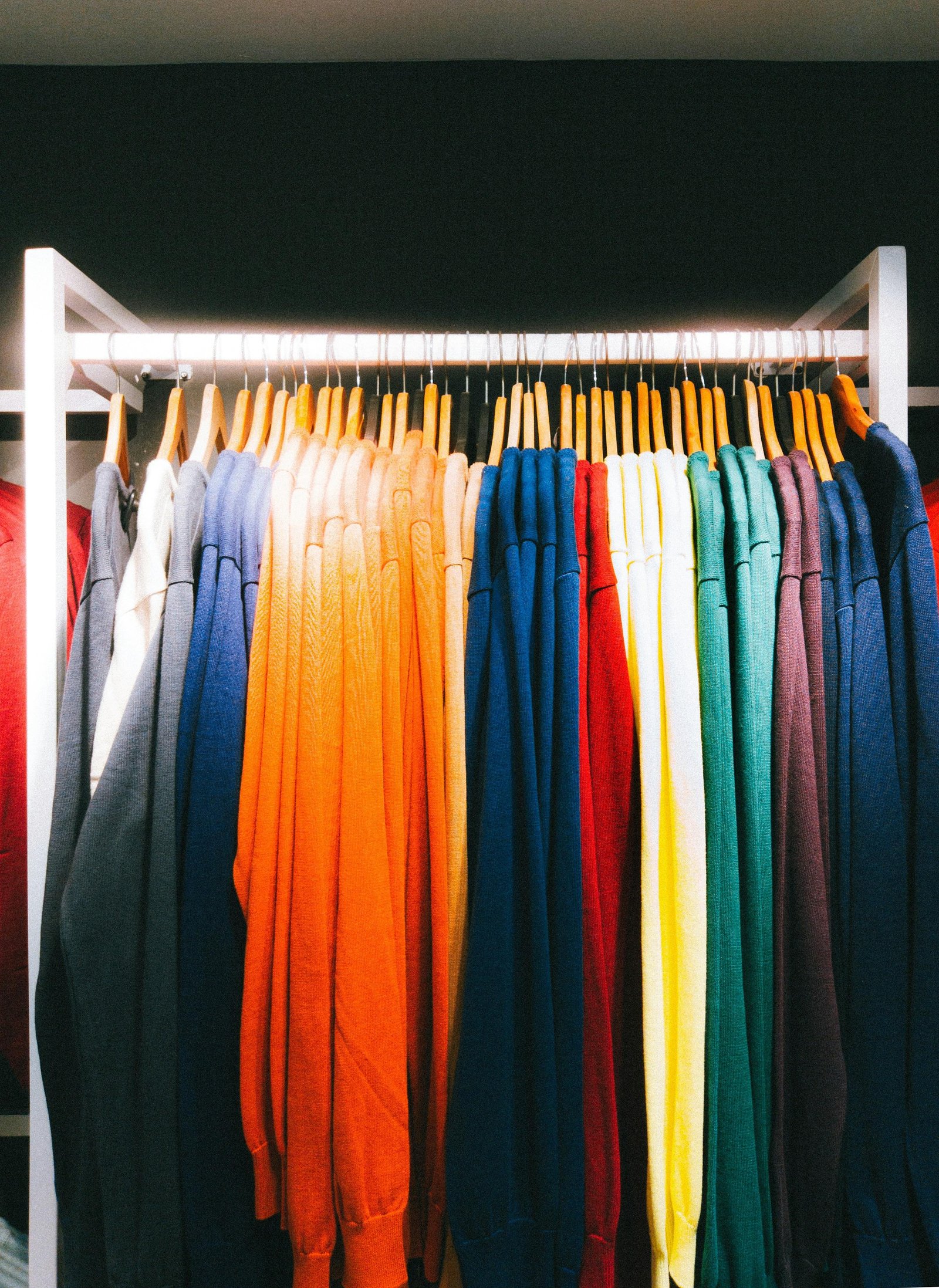
Select colors and patterns that resonate with your personal style and mood. Soft pastels can evoke tranquility, while vibrant patterns can add a playful touch. Investing in a couple of versatile pieces in classic colors might also be a smart choice, enhancing your ability to mix and match.
4. Personal Expression
Your homewear should reflect your personality. Whether you lean towards minimalistic designs or love bold prints, ensure your selections make you feel good. Don’t hesitate to choose pieces that include your favorite motifs or prints to infuse your personal style into your lounging experience.
Financial Aspects of Homewear
Budgeting for homewear doesn’t have to be overwhelming. Here are some financial considerations to keep in mind:
1. Quality vs. Cost
While it can be tempting to opt for the cheapest options, investing in high-quality homewear can save you money in the long run. Quality garments last longer and retain their shape and feel, providing consistent comfort during countless lounging sessions.
2. Embrace Sales and Discounts
Keep an eye out for seasonal sales, promotions, and discounts. Following your favorite brands on social media or subscribing to newsletters can alert you to sales that can help broaden your wardrobe without breaking the bank.
3. Build a Capsule Wardrobe
A capsule wardrobe consisting of essential, versatile pieces can minimize the need for a vast array of clothes. This approach allows you to invest in a select few key items that can be mixed and matched, maximizing your comfort while minimizing costs.
Sustainable Homewear Options
As eco-conscious choices become more relevant, considering sustainable homewear options can align your comfort with environmental responsibility. Here’s what to look for:
1. Eco-Friendly Fabrics
Look for homewear made from sustainable materials such as organic cotton, Tencel, or recycled fabrics. These options are not only better for the planet but often feature soft, breathable qualities that enhance comfort.
2. Ethical Brands
Research brands that prioritize ethical labor practices and responsible sourcing. Many companies are committed to providing transparency in their manufacturing processes, ensuring you can feel good about your purchase.
3. Upcycling and Second-Hand
Consider shopping second-hand or exploring upcycling options. Thrift stores and online marketplaces are rich with unique finds that can add character to your homewear collection while also promoting a sustainable lifestyle.
Trends in Homewear
Staying current with trends can help you make informed choices when updating your homewear collection. Here are some emerging trends to keep an eye on:
1. Loungewear as Outwear
The lines between homewear and outerwear continue to blur, with many brands launching pieces designed for wear outside the home. This trend allows for versatile styles, making it socially acceptable to showcase lounge sets at casual outings.
2. Athleisure Influence
Comfort-driven athleisure styles are becoming increasingly popular in homewear. Look for joggers and hoodies that blend sporty elements with casual fashion for a laid-back yet chic look.
3. Relaxed Silhouettes
Loose-fitting, relaxed silhouettes are trending, allowing for comfort without compromising on style. Whether it’s oversized tees or wide-leg pants, these styles prioritize comfort while providing a contemporary vibe.