
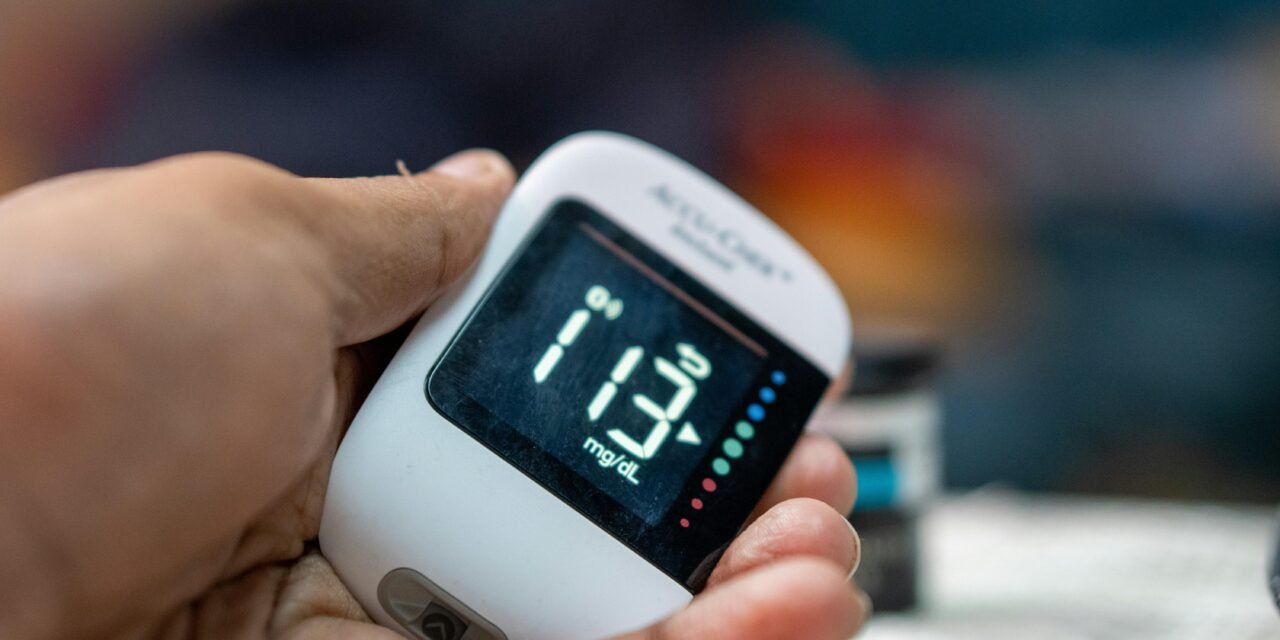
In today’s fast-paced world, maintaining your health is more important than ever. Monitoring your blood pressure is crucial for avoiding serious health issues, especially for those with a history of hypertension or cardiovascular diseases. Wrist blood pressure monitors offer a convenient, user-friendly way to keep track of your health right from the comfort of your home. In this article, we’ll take a look at some of the top-rated wrist blood pressure monitors, their benefits, practical tips for use, and why investing in quality medical supplies is essential for your wellness journey.
Why Choose a Wrist Blood Pressure Monitor?
Wrist blood pressure monitors have gained popularity for various reasons:
- Portability: They are lightweight and easy to carry, making them perfect for travel.
- User-Friendly: Most wrist monitors are easy to use with one-touch operation.
- Accurate Readings: When used properly, they can provide accurate measurements comparable to traditional arm monitors.
- Space-Saving: Their compact design makes them ideal for small spaces.
What to Look for in a Quality Wrist Blood Pressure Monitor
Choosing the right wrist blood pressure monitor can be overwhelming. Here are some key features to consider:
- Monitor Accuracy: Look for FDA-approved devices for reliable readings.
- Ease of Use: A monitor with a clear display and simple controls is ideal for everyone, including seniors.
- Memory Function: Some models can store past readings, which is valuable for tracking your health over time.
- Battery Life: Long battery life means less hassle and more convenience.
- Bluetooth Connectivity: Some monitors sync with smartphones or health apps for more comprehensive tracking.
Top-Rated Wrist Blood Pressure Monitors
Here are some of the best wrist blood pressure monitors available on the market today:
| Product Name | Key Features | Price Range |
|---|---|---|
| Omron 7 Series | Bluetooth, multiple users, accurate, easy to read | $60 – $80 |
| Withings BPM Connect | Wi-Fi, syncs with app, rechargeable battery | $100 – $130 |
| iHealth Feel Wireless | Bluetooth, large display, multiple users | $70 – $90 |
| GreaterGoods Bluetooth Blood Pressure Monitor | Affordable, easy setup, storage for multiple readings | $50 – $70 |
| Beurer BM49 | Automatic, large display, 60 memory slots | $40 – $60 |
Benefits of Using a Wrist Blood Pressure Monitor
Using a wrist blood pressure monitor comes with several health benefits:
- Early Detection: Regular monitoring can help identify hypertension at an early stage.
- Manage Health Conditions: Aids in managing chronic conditions effectively.
- Convenience: Easily monitor your blood pressure without needing to visit a clinic.
- Informed Decisions: Helps you make informed decisions regarding your lifestyle and health choices.
Practical Tips for Using Wrist Blood Pressure Monitors
To ensure you achieve the most accurate readings from your wrist blood pressure monitor, consider these practical tips:
- Positioning: Position the monitor at heart level when taking a reading.
- Rest: Sit quietly for at least five minutes before measuring your blood pressure.
- No Caffeine or Smoking: Avoid caffeine and smoking 30 minutes before your reading.
- Consistent Timing: Measure your blood pressure at the same time daily for reliable data.
Case Studies and First-Hand Experiences
Many users have shared their success stories after investing in a reliable wrist blood pressure monitor:
- Sarah’s Journey: Sarah, a 45-year-old woman with a family history of hypertension, began using the Omron 7 Series monitor. She discovered her blood pressure was higher than expected, prompting lifestyle changes and doctor consultations, which have greatly improved her health.
- John’s Monitoring: John, a 60-year-old retiree, wanted to keep tabs on his blood pressure. After purchasing the iHealth Feel, he appreciated the easy-to-read screen and data storage feature, allowing him to monitor trends over time effectively.
Conclusion
Investing in a top-rated wrist blood pressure monitor is a proactive step toward managing your health more effectively. With portable designs, user-friendly interfaces, and accurate readings, these devices empower you to monitor your blood pressure regularly and make informed health decisions. Remember to keep in mind the tips we’ve discussed to make the most informed measurements possible. By taking control of your health today, you can ensure a healthier tomorrow.
Maintaining and Caring for Your Wrist Blood Pressure Monitor
To ensure your wrist blood pressure monitor remains accurate and lasts for years, proper maintenance and care are essential:
- Regular Cleaning: Wipe the cuff and monitor with a soft, damp cloth to prevent dirt buildup. Avoid using harsh chemicals that may damage the device.
- Check the Battery: Regularly check battery levels and replace batteries as needed to ensure consistent performance.
- Avoid Extreme Temperatures: Store your monitor in a cool, dry place away from direct sunlight and extreme temperatures that could affect its functionality.
- Follow Manufacturer Guidelines: Always refer to the user manual for specific care instructions and recommendations on how to maintain the device for optimal performance.
Understanding Blood Pressure Readings
It’s crucial to understand what the blood pressure readings represent to interpret your health data correctly:
- Systolic Pressure: This is the upper number that indicates the pressure in your arteries when your heart beats.
- Diastolic Pressure: The lower number represents the pressure in your arteries when your heart is at rest between beats.
- Normal Range: Ideally, a normal reading is typically around 120/80 mmHg. Readings above this may indicate elevated blood pressure, while those over 140/90 mmHg are classified as hypertension.
Integrating Health Apps for Enhanced Monitoring
Many wrist blood pressure monitors today are equipped with Bluetooth technology, allowing users to integrate their readings with health apps on smartphones. This integration provides several advantages:
- Comprehensive Tracking: Record and analyze historical blood pressure data, making it easier to spot trends over time.
- Create Reports: Generate reports to share with healthcare providers, aiding in better-informed consultations.
- Custom Reminders: Set reminders for regular monitoring, ensuring you do not miss updates on your health status.
Combining Lifestyle Changes with Monitoring
While monitoring your blood pressure is vital, coupling it with healthy lifestyle changes can lead to significant improvements:
- Balanced Diet: Focus on a heart-healthy diet rich in fruits, vegetables, whole grains, and low in sodium.
- Regular Exercise: Aim for at least 150 minutes of moderate aerobic activity each week, which can help lower blood pressure and improve heart health.
- Stress Management: Incorporate stress-reducing activities such as yoga, meditation, or deep-breathing exercises into your routine.
- Adequate Sleep: Ensure you are getting 7-9 hours of sleep per night, as poor sleep can contribute to elevated blood pressure.
Consulting Healthcare Professionals
While self-monitoring is valuable, consulting healthcare professionals for comprehensive blood pressure management is essential. Regular visits can help in:
- Diagnosis: Allow healthcare providers to assess and confirm diagnoses related to hypertension.
- Treatment Plans: Develop personalized treatment plans based on individual health profiles and monitor progress effectively.
- Educational Support: Receive guidance on how to interpret your blood pressure readings and advice on how to utilize your monitor more effectively.
Personalized Health Management
Investing in a wrist blood pressure monitor can be a significant step towards personalized health management. Each individual’s health journey is unique, and the ability to monitor your blood pressure regularly enables you to make informed choices tailored to your health needs:
- Real-Time Adjustments: Make quick lifestyle or medication adjustments based on real-time blood pressure readings.
- Track Patterns: Identify patterns over time that may correlate with dietary changes, exercise, or stress levels.
- Empower Yourself: Gain a sense of control over your health, fostering a proactive approach rather than a reactive one.
The Future of Blood Pressure Monitoring
The realm of health technology is ever-evolving, and wrist blood pressure monitors are keeping pace with these innovations. Future advancements may include:
- Wearable Technology: Enhanced wristbands that not only measure blood pressure but also monitor heart rate and other vital statistics.
- AI Integration: Integration of artificial intelligence to provide users with predictive insights into their blood pressure trends for advanced care.
- Remote Monitoring: Systems allowing healthcare professionals to monitor patients’ blood pressure remotely, enhancing telehealth services.


