

Your smile is one of your most valuable assets, and maintaining oral health is crucial for a beautiful, confident smile. One often overlooked aspect of dental hygiene is the frequency of replacing your toothbrush head. This article delves into how often you should replace your toothbrush head, the benefits of doing so, practical tips, and other essential oral health insights to help you achieve a brighter smile.
Understanding the Importance of Your Toothbrush Head
The toothbrush head is the component that directly comes in contact with your teeth and gums, therefore it plays a vital role in your oral hygiene routine. Using a worn-out toothbrush head can lead to ineffective cleaning and negatively impact your oral health. Here, we will explore how often you should replace your toothbrush head and why it matters.
How Often Should You Replace Your Toothbrush Head?
Dental professionals generally recommend replacing your toothbrush head every three to four months. However, several factors can influence this timeframe, including:
- Wear and Tear: If the bristles appear frayed or worn down, it’s time for a replacement.
- Illness: If you’ve been sick, you should replace your toothbrush head to avoid reintroducing bacteria into your mouth.
- Brushing Habits: Individuals who brush harder may need to change their brushes more frequently, as bristles can wear down faster.
Visual Guide: When to Replace Your Toothbrush Head
| Indicator | Replacement Recommendation |
|---|---|
| Frayed Bristles | Replace immediately |
| Slightly Worn | Replace within 1 month |
| New and Sturdy | Replace every 3-4 months |
Benefits of Regularly Replacing Your Toothbrush Head
Replacing your toothbrush head regularly offers numerous benefits, including:
- Better Cleaning: A fresh toothbrush head is more effective at removing plaque and food debris.
- Prevention of Gum Disease: Worn bristles can lead to improper brushing, which may contribute to gum problems.
- Less Bacteria Build-Up: New toothbrush heads reduce the risk of bacteria build-up that can occur over time.
- Enhanced Oral Freshness: Using a clean toothbrush head contributes to a cleaner, fresher mouth.
Practical Tips for Optimal Toothbrush Care
There are several easy habits you can adopt to maintain your toothbrush head and enhance your oral health:
- Rinse Thoroughly: Rinse your toothbrush head with water thoroughly after each use to remove toothpaste and debris.
- Store Properly: Store your toothbrush upright in a holder, so it can air dry properly.
- Avoid Sharing: Never share your toothbrush with anyone to prevent cross-contamination of bacteria.
- Use a Toothbrush Cover: If using a cover, ensure it is ventilated to avoid moisture buildup.
Case Studies: The Impact of Toothbrush Maintenance
Many people find that a simple change like replacing their toothbrush head more frequently leads to noticeable improvements in their oral health. Here are a couple of case studies:
Case Study 1: Sarah’s Journey to Optimal Oral Health
Sarah was a long-time procrastinator when it came to replacing her toothbrush. After noticing her gums were often swollen and sensitive, she sought advice from her dentist. Her dentist suggested replacing her toothbrush head every three months and educating her on proper brushing techniques. After a few months of adhering to this advice, Sarah reported significantly improved gum health and reduced sensitivity.
Case Study 2: Mark’s Clean Slate
Mark had been experiencing chronic bad breath, which he attributed to his diet. However, after revising his oral hygiene routine and committing to replacing his toothbrush head every three months, he found that his oral freshness improved significantly. The combination of better brushing and regular head replacement transformed his dental health.
First-Hand Experience: Maintaining My Toothbrush Routine
When I started keeping track of my toothbrush head replacements, I was amazed by the difference it made to my overall oral health. Initially, I would remember to change it sporadically, which left my teeth feeling less than fresh. Once I set reminders on my phone to change the head every three months, I found my teeth were cleaner, my gums were healthier, and I felt more confident smiling. This simple habit change created a positive ripple effect in my daily oral hygiene routine.
Conclusion
Transforming your smile doesn’t require drastic measures – often, it’s as simple as paying attention to your toothbrush head. By replacing your toothbrush head every three to four months and adopting good toothbrush care practices, you can significantly enhance your oral health. Remember, a cleaner, fresher mouth leads to a more confident smile! Commit to this small but impactful step today, and watch as your oral health transforms.
Choosing the Right Toothbrush Head for Your Needs
Not all toothbrush heads are created equal; they come in various shapes, sizes, and bristle types designed to meet different oral health needs. Here’s how to choose the right one for you:
- Soft Bristles: For most people, a soft-bristle toothbrush head is ideal as it’s gentle on gums while effectively cleaning teeth.
- Medium and Hard Bristles: These are typically recommended for individuals with more plaque buildup but should be used with caution, as they can irritate gums if used too aggressively.
- Size Consideration: Choose a head size that allows you to clean all surfaces of your teeth easily. A smaller head may be better for reaching the back teeth.
- Specialized Designs: Some toothbrush heads are designed specifically for orthodontic care, implant maintenance, or sensitive gums. Consult your dentist for personalized recommendations.
The Role of Electric Toothbrushes
Electric toothbrushes have gained popularity for their ability to provide effective cleaning with minimal effort. Many models come with interchangeable heads that can enhance your brushing experience. Consider these factors when using an electric toothbrush:
- Built-in Timers: Many electric toothbrushes have timers to ensure you brush for the recommended two minutes, promoting thorough cleaning.
- Pressure Sensors: Some models alert you when you’re brushing too hard, reducing the risk of gum damage.
- Variety of Heads: Electric toothbrushes often offer various head types tailored for specific dental needs. Switching heads as recommended ensures optimal cleaning efficiency.
Eco-Friendly Toothbrush Options
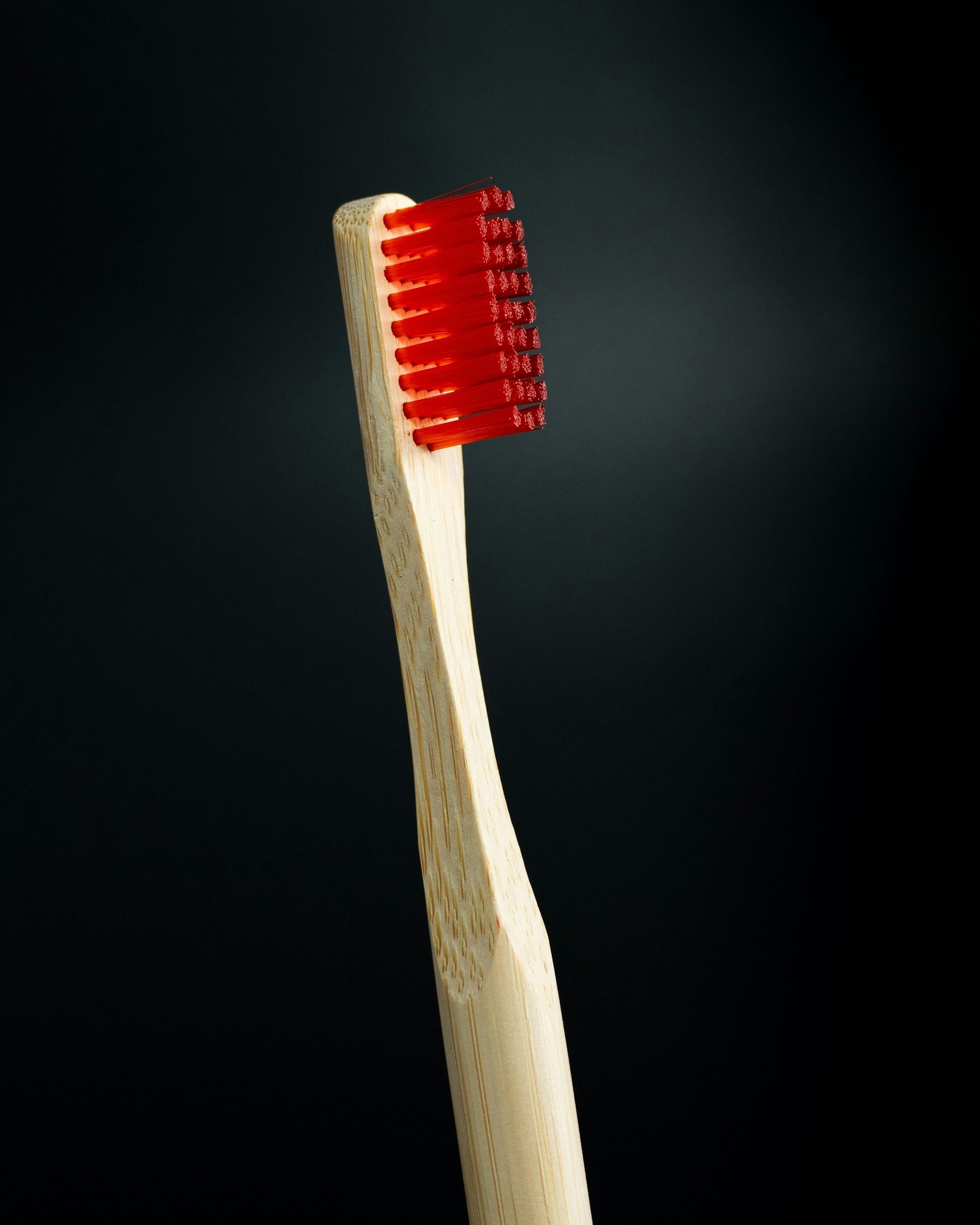
As more consumers become conscious of their environmental impact, eco-friendly toothbrush options, such as bamboo or biodegradable materials, are gaining traction. When choosing an eco-friendly toothbrush head, keep the following in mind:
- Material: Many eco-friendly brushes are made from sustainable materials like bamboo, which not only reduce plastic waste but also come with natural antibacterial properties.
- Reusability: Some brands offer replaceable heads for their toothbrush handles, allowing you to minimize waste while still ensuring effective dental hygiene.
- Recyclability: Look for products that are recyclable or compostable after use, further contributing to a sustainable lifestyle.
Oral Health Beyond the Toothbrush
While regularly changing your toothbrush head is crucial for maintaining optimal oral health, it’s only one part of a comprehensive dental care routine. Here are additional practices to enhance your oral hygiene:
- Floss Daily: Flossing helps remove plaque and food particles from between teeth that a toothbrush may miss.
- Mouthwash Use: An antimicrobial mouthwash can help reduce bacteria and provide added protection against gum disease and bad breath.
- Regular Dental Check-ups: Schedule visits with your dentist every six months for professional cleanings and examinations.
- Healthy Diet: Adopt a balanced diet rich in fruits and vegetables while limiting sugary snacks and beverages to protect your teeth.
Educating Others About Oral Health
Many people may not realize the importance of replacing their toothbrush head regularly. Sharing knowledge and tips with friends and family can create a ripple effect, encouraging better oral health habits within your community. Consider these ways to educate others:
- Social Media Awareness: Use your platforms to share insightful articles, infographics, or personal experiences about oral hygiene and the importance of toothbrush head replacement.
- Community Workshops: Organize or participate in local health fairs or workshops focusing on oral health education, where professionals can provide practical demonstrations.
- Family Engagement: Encourage family discussions about dental hygiene. Teach children to replace their toothbrush heads regularly and explain the significance of maintaining healthy habits.


