
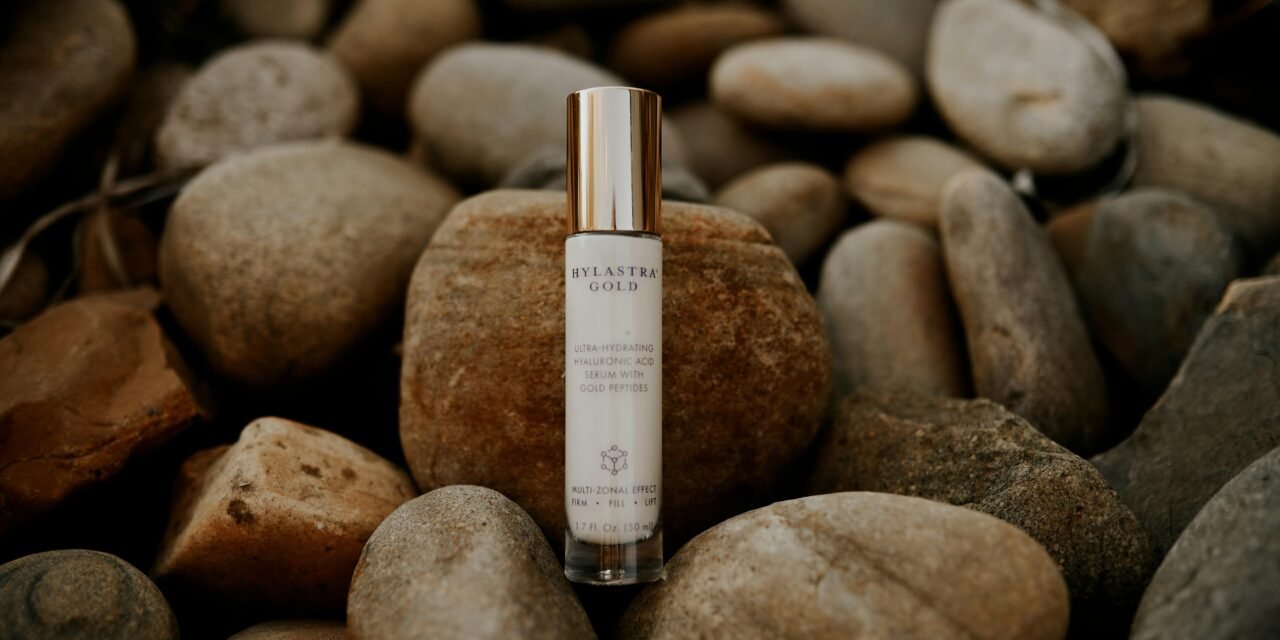
Every day we witness the inevitable aging process impacting our skin’s vitality. One of the most effective ways to restore that youthful glow is through the use of hyaluronic acid serum. This remarkable ingredient has taken the skincare world by storm, beloved for its hydrating properties and ability to promote skin firmness. In this article, we explore everything you need to know about hyaluronic acid serum, from its benefits to practical tips for incorporation into your beauty routine.
What is Hyaluronic Acid?
Hyaluronic acid is a naturally occurring substance in the body, primarily found in connective tissues, skin, and cartilage. Its primary function is to retain moisture, as it can hold up to 1000 times its weight in water. This makes it an invaluable tool in skincare, particularly for those seeking to maintain or regain youthful skin.
The Science Behind Hyaluronic Acid Serum
As we age, our skin’s natural hyaluronic acid levels deplete, leading to dryness, loss of elasticity, and the formation of fine lines and wrinkles. Using a hyaluronic acid serum replenishes these levels, providing immediate and long-lasting hydration.
How Does It Work?
- Moisture Retention: Hyaluronic acid attracts water from the environment and traps it in the skin.
- Repair and Regeneration: It supports skin barrier function, helping to heal damaged tissue.
- Stimulation of Collagen: Hyaluronic acid can aid in collagen production, which is key for skin firmness.
Benefits of Hyaluronic Acid Serum
1. Deep Hydration
One of the standout benefits of hyaluronic acid serum is its ability to provide intense hydration. This helps in preventing dryness and flakiness, leading to soft, supple skin.
2. Improved Skin Firmness and Elasticity
By promoting the production of collagen, hyaluronic acid aids in enhancing your skin’s firmness. This not only reduces the appearance of fine lines but also makes the skin look plumper and more youthful.
3. Enhanced Skin Texture
Consistent use of hyaluronic acid serum can lead to smoother skin texture, reducing rough patches and improving overall complexion.
4. Soothing Properties
This serum is suitable for all skin types, including sensitive skin, as it helps to calm irritation and redness.
5. Lightweight and Non-Greasy
Unlike many other moisturizers, hyaluronic acid is a lightweight solution, making it ideal for layering under other products without feeling greasy or heavy.
How to Incorporate Hyaluronic Acid Serum into Your Routine
- Cleanse Your Skin: Begin with a gentle cleanser to remove impurities.
- Apply Toner: Use a hydrating toner to prep your skin.
- Use Hyaluronic Acid Serum: Apply 2-3 drops of serum on damp skin to maximize hydration. You can gently massage it into your face and neck.
- Moisturize: Follow up with a moisturizer to lock in the hydration.
- Sunscreen: During the day, don’t forget to apply sunscreen as the final step.
Case Studies: Transformations with Hyaluronic Acid Serum
| Case Study | Before Treatment | After Treatment (4 Weeks) |
|---|---|---|
| Client A | Fine lines and dry patches | Plumper skin and reduced lines |
| Client B | Rough texture and dullness | Smooth texture and brighter complexion |
| Client C | Redness and irritation | Calm skin with improved tone |
First-Hand Experience
Many users report significant improvements in their skin’s appearance after just a few weeks of using hyaluronic acid serum. For example, one user noted, “After a month of daily application, not only did my skin feel incredibly hydrated, but I also noticed my fine lines becoming less visible. It felt like my skin was drinking a refreshing glass of water!”
Potential Side Effects
While hyaluronic acid is generally safe, some individuals may experience minor side effects such as redness or irritation, especially if they have sensitive skin. Always perform a patch test before incorporating a new product into your routine.
Choosing the Right Hyaluronic Acid Serum
When selecting a hyaluronic acid serum, consider the following:
- Concentration: Look for products with at least 1% hyaluronic acid for optimal benefits.
- Formulation: Choose serums that combine other beneficial ingredients such as vitamin C or peptides for enhanced results.
- Brand Reputation: Opt for well-reviewed brands known for quality and transparency in their ingredients.
Conclusion
Incorporating hyaluronic acid serum into your skincare routine can be a game changer for those looking to achieve youthful, hydrated skin. Its multitude of benefits-from deep hydration and improved firmness to soothing properties-makes it an essential product for anyone concerned about aging. Don’t hesitate to explore the myriad options available and embrace the glowing, youthful skin you deserve!
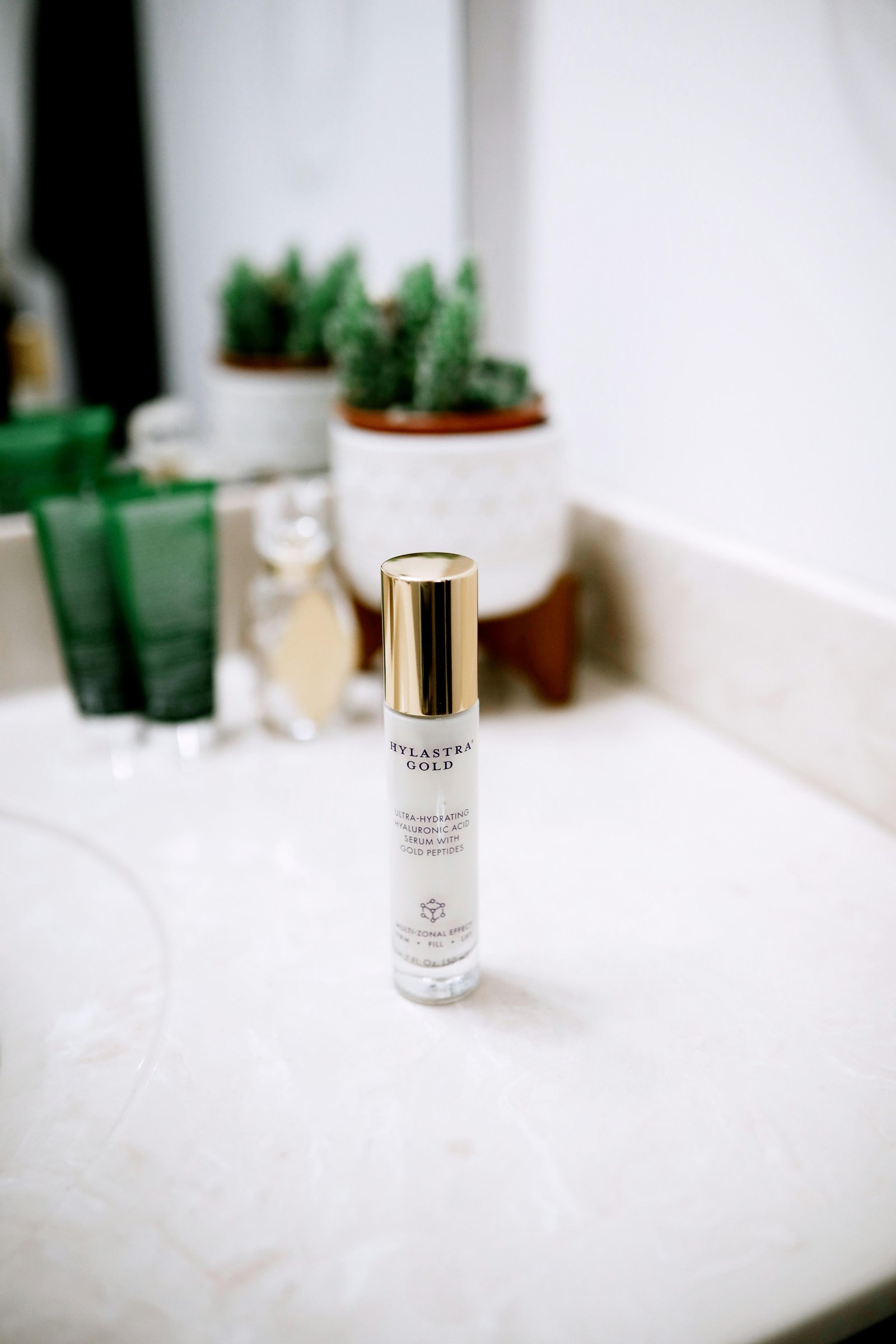
Integrating Hyaluronic Acid with Other Skincare Ingredients
To maximize the benefits of hyaluronic acid serum, it can be effectively combined with various other skincare ingredients. Here are some popular combinations:
- Vitamin C: This powerful antioxidant helps to brighten the skin and protect against environmental damage while hyaluronic acid ensures optimal hydration. Using both in your routine can enhance skin tone and fight signs of aging.
- Retinol: Known for its anti-aging properties, retinol can promote skin turnover and improve texture. When used with hyaluronic acid, the hydrating properties of the serum can counteract any potential dryness caused by retinol.
- Peptides: These small chains of amino acids can help stimulate collagen production. Pairing peptides with hyaluronic acid enhances the skin’s structural integrity and elasticity.
Hyaluronic Acid for Different Skin Types
Hyaluronic acid is incredibly versatile and benefits various skin types:
- Dry Skin: For those with dry skin, hyaluronic acid acts as a moisture magnet, attracting water to plump and hydrate the skin.
- Oily Skin: Even individuals with oily skin can benefit from a lightweight hyaluronic acid serum as it provides necessary hydration without clogging pores.
- Combination Skin: It balances dry and oily areas by delivering hydration where needed, promoting a more even skin texture.
- Sensitive Skin: The soothing properties of hyaluronic acid make it suitable for sensitive skin, helping to alleviate redness and irritation.
Application Tips for Maximum Effectiveness
To get the most out of your hyaluronic acid serum, keep these application tips in mind:
- Apply on Damp Skin: For enhanced absorption, apply the serum on slightly damp skin. This allows the serum to trap moisture more effectively.
- Layer Correctly: Use hyaluronic acid serum before heavier creams or oils to ensure that the hydrating benefits penetrate deeper into the skin.
- Don’t Forget Your Neck: Extend the application to your neck and décolletage, as these areas also show signs of aging.
DIY Hyaluronic Acid Serum
If you’re interested in creating your own skincare products, making your own hyaluronic acid serum can be a fun and rewarding process. A basic recipe would include:
- Ingredients: 1 tablespoon of hyaluronic acid powder, 1 cup of distilled water, and optional essential oils for fragrance.
- Instructions: Mix hyaluronic acid powder with distilled water and allow it to hydrate for several hours. Once dissolved, transfer to a suitable container, and store in the refrigerator for up to a month.
Always ensure that you’re using high-quality, food-grade ingredients if you choose this route.
Environmental Impact and Sustainability
As consumers become more environmentally conscious, looking into the sourcing and manufacturing processes of various hyaluronic acid serums is essential. Many reputable brands focus on sustainability, using eco-friendly packaging and ethically sourced ingredients. Opting for products that prioritize environmental stewardship not only benefits your skin but also contributes to the greater good.
Professional Treatments Using Hyaluronic Acid
For those seeking more immediate results, professional treatments utilizing hyaluronic acid are available. These may include:
- Injectables: Hyaluronic acid fillers can be injected professionally to add volume and smooth out wrinkles, providing instant results that can last several months.
- Facials: Spa treatments that incorporate hyaluronic acid can deeply hydrate and revitalize the skin, often including massage and other techniques to enhance absorption.
Always consult with a qualified professional to explore options that best suit your skincare goals.
The Future of Hyaluronic Acid in Skincare
With ongoing research, the applications of hyaluronic acid in skincare continue to expand. Innovations include time-released formulations for prolonged hydration, enhanced delivery systems for deeper penetration, and combinations with other active ingredients for targeted benefits. Keeping an eye on these trends can help you choose the most effective products for nurturing and maintaining youthful, hydrated skin.


