
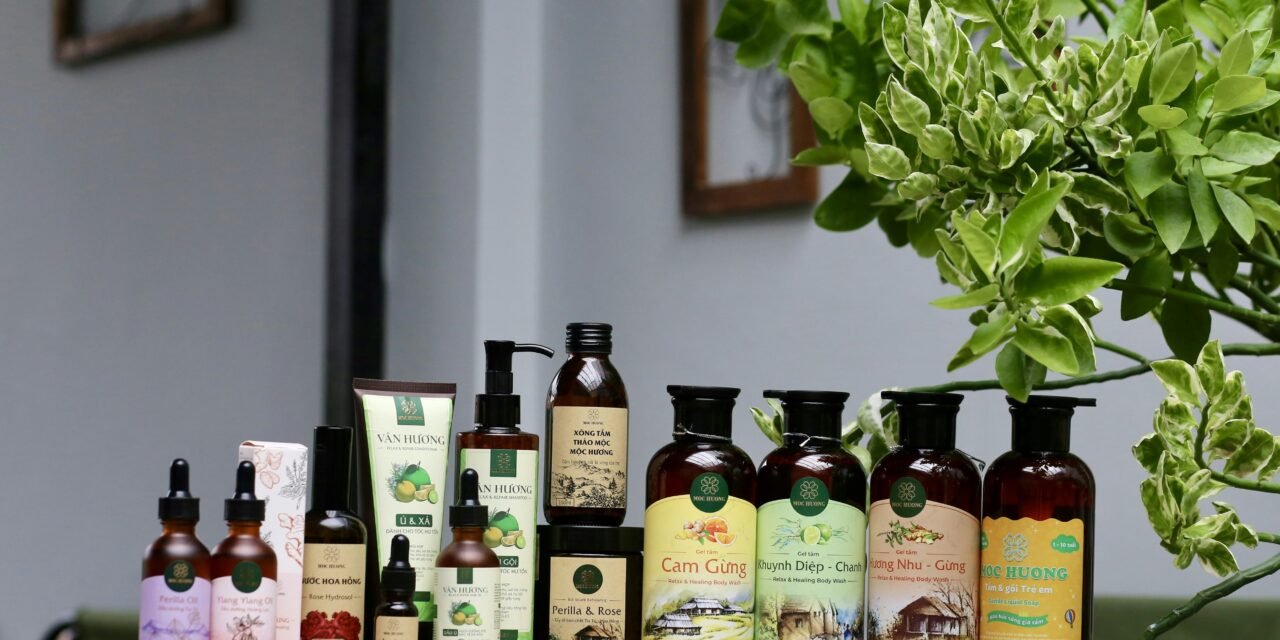
In a world flooded with skincare and beauty products, the term “organic” has become a popular buzzword. But with so many brands jumping on the organic bandwagon, how can you ensure that the products you’re using are truly authentic? In this guide, we will explore how to identify genuine organic beauty products, the benefits of using them, and provide practical tips for making informed choices.
Understanding Organic Beauty Products
Organic beauty products are made from natural ingredients that have been grown without the use of synthetic fertilizers, pesticides, or genetically modified organisms (GMOs). The appeal of these products lies in their purity, and their promise of being kinder to both your skin and the environment.
Key Characteristics of Authentic Organic Products
When shopping for organic beauty products, look for the following characteristics:
- Certification: Always check for certification from recognized bodies such as the USDA, EcoCert, or the Soil Association.
- Ingredient Transparency: Brands should clearly list all ingredients on their packaging.
- Natural Ingredients: Look for products containing plant-derived ingredients, essential oils, and botanical extracts.
- Free from Harmful Additives: Authentic organic products should be free of synthetic fragrances, artificial colors, and harmful chemicals.
Benefits of Using Authentic Organic Beauty Products
There are numerous benefits to choosing authentic organic beauty products, including:
- Safe for Skin: Organic ingredients are less likely to cause irritation or allergic reactions.
- Eco-Friendly: Organic farming practices support sustainability and prevent environmental degradation.
- Healthier Choices: Avoiding synthetic chemicals means reducing the risk of long-term health effects.
- Supports Local Farmers: Many organic brands source their ingredients from local or family-owned farms.
How to Spot Authentic Organic Products: A Practical Guide
1. Check Certifications
Always verify the certifications displayed on the product. Labels such as “USDA Organic” ensure that the product meets stringent organic standards.
2. Read Ingredients Carefully
A shorter list of ingredients often indicates a more natural product. Look for recognizable names rather than complex chemical compounds.
3. Research the Brand
Look into the brand’s philosophy and practices. Companies dedicated to organic principles often highlight their sourcing and production processes on their websites.
4. Be Wary of Greenwashing
Some brands may falsely advertise their products as organic. Watch out for vague terms like “natural” that can mislead consumers.
5. Seek Reviews and Recommendations
Check online reviews and social media for feedback on products and brands to gauge their authenticity and efficacy.
Case Studies: Successful Organic Brands
| Brand | Certification | Key Products |
|---|---|---|
| RMS Beauty | USDA Organic | Cream Foundation, Living Luminizer |
| Tata Harper | EcoCert | Rejuvenating Serum, Moisturizer |
| 100% Pure | USDA Organic | Fruit Pigmented Mascara, Cream Foundation |
| Herbivore Botanicals | Leaping Bunny Certified | Botanical Facial Oils, Clay Masks |
First-Hand Experience: My Journey with Organic Beauty Products
My journey into organic beauty began when I developed a sensitivity to synthetic ingredients in mainstream cosmetics. After researching, I discovered the benefits of organic products. Switching to brands like RMS Beauty and Herbivore Botanicals transformed my skincare routine.
Not only did I notice a significant improvement in my skin’s texture, but I also felt good knowing I was making eco-conscious choices. Moreover, the natural fragrances and textures felt much better than their synthetic counterparts!
Common Misconceptions about Organic Beauty Products
Despite their growing popularity, some misconceptions about organic products persist:
- Organic Equals High Price: While some products can be more expensive, many affordable options offer authentic organic ingredients.
- All-Natural Equals Organic: “All-natural” products can still contain synthetic chemicals; always look for certification.
- Organic Products are Ineffective: Many organic products use potent botanical ingredients that can be just as effective as conventional ones.
Conclusion: Choose Wisely for True Organic Beauty
Shopping for organic beauty products can be overwhelming, but by understanding the key characteristics and benefits, you can empower yourself to make informed decisions. Remember to look for certifications, read ingredients carefully, and support brands that honor sustainable practices. With these tools at your disposal, you’ll be well on your way to unlocking the true essence of organic beauty, ensuring both your skin and the planet stay healthy and vibrant.

Identifying Value in Organic Ingredients
It’s essential to understand the actual benefits of the specific organic ingredients used in beauty products. Ingredients like jojoba oil, aloe vera, and shea butter are not just natural; they offer various skin benefits. Jojoba oil closely resembles the skin’s natural sebum, making it an excellent moisturizer for all skin types. Aloe vera is known for its soothing properties, perfect for calming irritation and redness. Shea butter is rich in vitamins A and E, providing intense hydration and nourishment. Understanding these benefits allows you to make choices that not only align with your organic values but also cater to your skin’s unique needs.
Decoding Labels: What to Look For
Label reading can be daunting, but knowing what specific terms mean can demystify the process. Pay attention to phrases like “cold-pressed,” which indicates that oils are extracted without heat, preserving more nutrients. Also, “wildcrafted” suggests that ingredients were collected from their natural environment without cultivation, often enhancing their potency. Additionally, terms like “bioavailable” imply that the ingredients are easily absorbed by the skin, maximizing their effectiveness. Familiarizing yourself with these terms can drastically improve your ability to choose high-quality organic products.
The Importance of Eco-friendly Packaging
As you embark on your organic beauty journey, considering the environmental impact of packaging is crucial. Many brands are now opting for biodegradable or recyclable materials to minimize waste. Look for products that use glass jars, post-consumer recycled plastics, or even innovative materials like compostable packaging. Not only does this choice support sustainable practices, but it also reflects a brand’s commitment to environmental responsibility, aligning with the ethos of organic beauty.
DIY Organic Beauty: Creating Your Own Products
If you’re feeling adventurous, consider creating your own organic beauty products at home. Simple recipes using natural ingredients can be both fun and gratifying. For instance, you can whip up a nourishing face mask with simple components like honey, oatmeal, and avocado. A basic sugar scrub can be made with coconut oil and sugar, making for a revitalizing exfoliant. Not only will you have full control over your ingredients, but it’s also a fantastic way to know exactly what you’re putting on your skin.
Building an Organic Beauty Routine
Transitioning to an organic beauty routine doesn’t have to be abrupt. Start by gradually replacing your favorite products with organic alternatives. Focus on one category at a time, such as skincare, makeup, or haircare. This approach allows you to evaluate how your skin responds to the changes without overwhelming yourself or breaking the bank. Over time, you can build a fully organic lineup that meets all your beauty needs.
Connect with the Organic Community
Joining communities focused on organic beauty can enhance your journey significantly. Online forums, social media groups, and local workshops are excellent platforms to share experiences, tips, and product recommendations. Engaging with like-minded individuals can also keep you updated on new organic brands and innovations in the field. It’s about forging connections that enrich your understanding and appreciation of authentic organic beauty.


