
The pursuit of wellness and optimal health is a journey many embark on, especially athletes, fitness enthusiasts, and anyone who frequently engages in physical activity. A vital aspect of this journey is muscle recovery, and one powerful ally in achieving effective recovery is Epsom salt. This simple, yet effective mineral compound plays a significant role in soothing sore muscles, reducing inflammation, and promoting overall well-being. In this article, we’ll explore how Epsom salt transforms muscle recovery and why you should consider incorporating it into your post-exercise routine.
What is Epsom Salt?
Epsom salt, scientifically known as magnesium sulfate, is a naturally occurring mineral compound. Contrary to its name, Epsom salt is not actually a traditional salt but rather a mineral. It dissolves easily in water, making it popular for medicinal and therapeutic solutions, particularly in baths aimed at muscle recovery.
How Epsom Salt Aids Muscle Recovery
Epsom salt contributes to muscle recovery through several physiological mechanisms:
1. Reduces Inflammation
Magnesium, a key component of Epsom salt, is known for its anti-inflammatory properties. Applying Epsom salt during recovery aids in reducing muscle inflammation, allowing for faster healing and decreased soreness.
2. Relaxes Muscles
The soothing properties of magnesium help relax muscles after strenuous activities. Soaking in Epsom salt helps reduce muscle tension and promote relaxation, leading to improved comfort and reduced stiffness.
3. Enhances Circulation
Improved blood circulation is essential for muscle recovery, as it facilitates the delivery of nutrients and oxygen to fatigued tissues. Epsom salt baths can stimulate blood flow, benefiting recovery.
4. Detoxification
Additionally, Epsom salt aids in flushing toxins out of the body, promoting a natural detoxifying process that supports overall muscle health.
5. Alleviates Stress
Muscle recovery is not solely a physical process; it involves mental relaxation too. The act of soaking in warm water with Epsom salt can induce relaxation, reducing stress levels, which is beneficial for overall recovery.
Benefits of Using Epsom Salt for Muscle Recovery
- Alleviates muscle soreness and tension
- Provides relief from soreness due to exercise, injury, or overuse
- Encourages faster recovery times
- Offers calming effects to relieve stress and anxiety
- Supports healthy sleep patterns
How to Use Epsom Salt for Maximum Benefit
To unlock the full potential of Epsom salt in your muscle recovery regimen, follow these practical tips:
- Dosage: Use approximately 1 to 2 cups of Epsom salt in a warm bath. For targeted relief, a smaller amount can be dissolved in a foot soak.
- Soak Duration: Soak for 12 to 15 minutes to allow Epsom salt to dissolve thoroughly and be absorbed by your skin.
- Frequency: Aim for 2-3 Epsom salt baths per week, especially following intense workouts.
- Combine with Essential Oils: Enhance relaxation by adding a few drops of essential oils like lavender or eucalyptus to the bath.
Case Studies: Real-life Experiences with Epsom Salt
Numerous athletes and fitness proponents have shared success stories regarding their use of Epsom salt. Here are a few noteworthy examples:
| Athlete/Type | Experience | Result |
|---|---|---|
| Marathon Runner | Incorporated Epsom salt baths post-race. | Reported reduced muscle soreness and quicker recovery time. |
| Bodybuilder | Used Epsom salt externally on sore muscle groups. | Felt relieved from stiffness and tension. |
| Weekend Warrior | Utilized Epsom salt after an intense soccer game. | Noticed significantly less post-game fatigue. |
First-Hand Experience: My Journey with Epsom Salt
As someone who frequently engages in high-intensity workouts, I’ve often encountered the debilitating effects of muscle soreness. After reading about the benefits of Epsom salt, I decided to try it for myself following an intense training session. After filling my tub with warm water and adding two cups of Epsom salt, I immersed myself and felt the tension gradually fade away with each minute.
Not only did I find relief from soreness, but I also experienced a profound sense of relaxation and tranquility, leading to a deeper sleep that night. After just a week of consistent use, my recovery times improved noticeably, and my overall sense of well-being increased.
Potential Misconceptions About Epsom Salt
While Epsom salt is widely regarded as safe, there are some misconceptions associated with it:
- Myth: Epsom salt baths are only beneficial for athletes.
- Fact: Individuals of all activity levels can experience muscle recovery benefits from Epsom salt.
- Myth: Epsom salt is bad for the skin.
- Fact: Epsom salt is generally skin-safe; however, prolonged exposure may cause dryness in some individuals.
Conclusion
Unlocking wellness post-workout goes beyond proper exercise and nutrition; incorporating Epsom salt can significantly enhance muscle recovery processes. Through its powerful magnesium content, Epsom salt reduces inflammation, soothes sore muscles, enhances circulation, and promotes relaxation. The insights from athletes and personal experiences underline its effectiveness in facilitating a quicker recovery and improved overall well-being. Whether you’re an athlete, leisure exerciser, or someone experiencing muscle tension, using Epsom salt can be a game-changer in your journey toward optimal health.
The Science Behind Epsom Salt: Understanding Magnesium’s Role
To fully appreciate the benefits of Epsom salt, it’s important to delve deeper into how magnesium functions in the body. Magnesium plays a critical role in over 300 enzymatic processes, many of which are vital for muscle function and recovery. It assists in energy production, muscle contraction, and relaxation. When levels of magnesium are adequate, your muscles can perform optimally, while deficiency can lead to cramping and spasms. Epsom salt baths allow magnesium to be absorbed through the skin, thereby providing a convenient method of supplementation.
Alternative Ways to Incorporate Epsom Salt
While baths are the most common use of Epsom salt, there are several alternative methods to incorporate it into your wellness routine.
- Foot Soaks: If you don’t have access to a full bath, soaking your feet in a basin of warm water with Epsom salt can deliver localized relief for tired feet and legs, making it an excellent option after a long day of standing or walking.
- DIY Scrubs: Combine Epsom salt with coconut oil or olive oil to make a gentle body scrub. This can help exfoliate the skin while delivering magnesium benefits directly to sore areas.
- Ingestion for Specific Health Needs: Though not a substitute for medical treatment, some individuals find that dissolving Epsom salt in water for medicinal purposes under the guidance of a healthcare professional can aid in digestive health. Always consult with a doctor before ingesting Epsom salt.
Safety and Precautions When Using Epsom Salt
While Epsom salt is highly beneficial, it’s wise to approach its use with caution:
- Consultation: Individuals with health conditions, particularly kidney issues or heart problems, should consult a healthcare provider before using Epsom salt, as magnesium can affect electrolyte levels.
- Skin Sensitivity: For those with sensitive skin, it’s advisable to start with lower concentrations of Epsom salt to prevent irritation or discomfort.
- Hydration: Always ensure to drink plenty of water after an Epsom salt bath, as hydration is crucial for optimal muscle recovery.
Research and Evidence Supporting Epsom Salt Use
Scientific research has gradually begun to back the traditional claims surrounding Epsom salt. A study published in the journal *Clinical Medicine Insights: Circulatory, Respiratory and Pulmonary Medicine* highlights the absorption of magnesium through the skin and notes its positive impact on reducing muscle cramps and improving recovery times. Other studies emphasize the effectiveness of magnesium in reducing inflammation and controlling muscle relaxation-key factors that facilitate faster recovery.
Integrating Epsom Salt into a Holistic Recovery Routine
For best results, Epsom salt should be a part of a holistic approach to recovery. Consider integrating other recovery practices alongside your Epsom salt baths:
- Stretching and Mobility Work: Gentle stretching helps relieve tightness and maintains flexibility, which can complement the effects of Epsom salt.
- Nutrition: Consume a balanced diet rich in anti-inflammatory foods, including fruits, vegetables, nuts, and whole grains, to support muscle recovery.
- Hydration: Maintain adequate hydration, as water is critical for transporting nutrients to muscles and flushing out toxins.
Community Wisdom: Sharing Your Epsom Salt Story
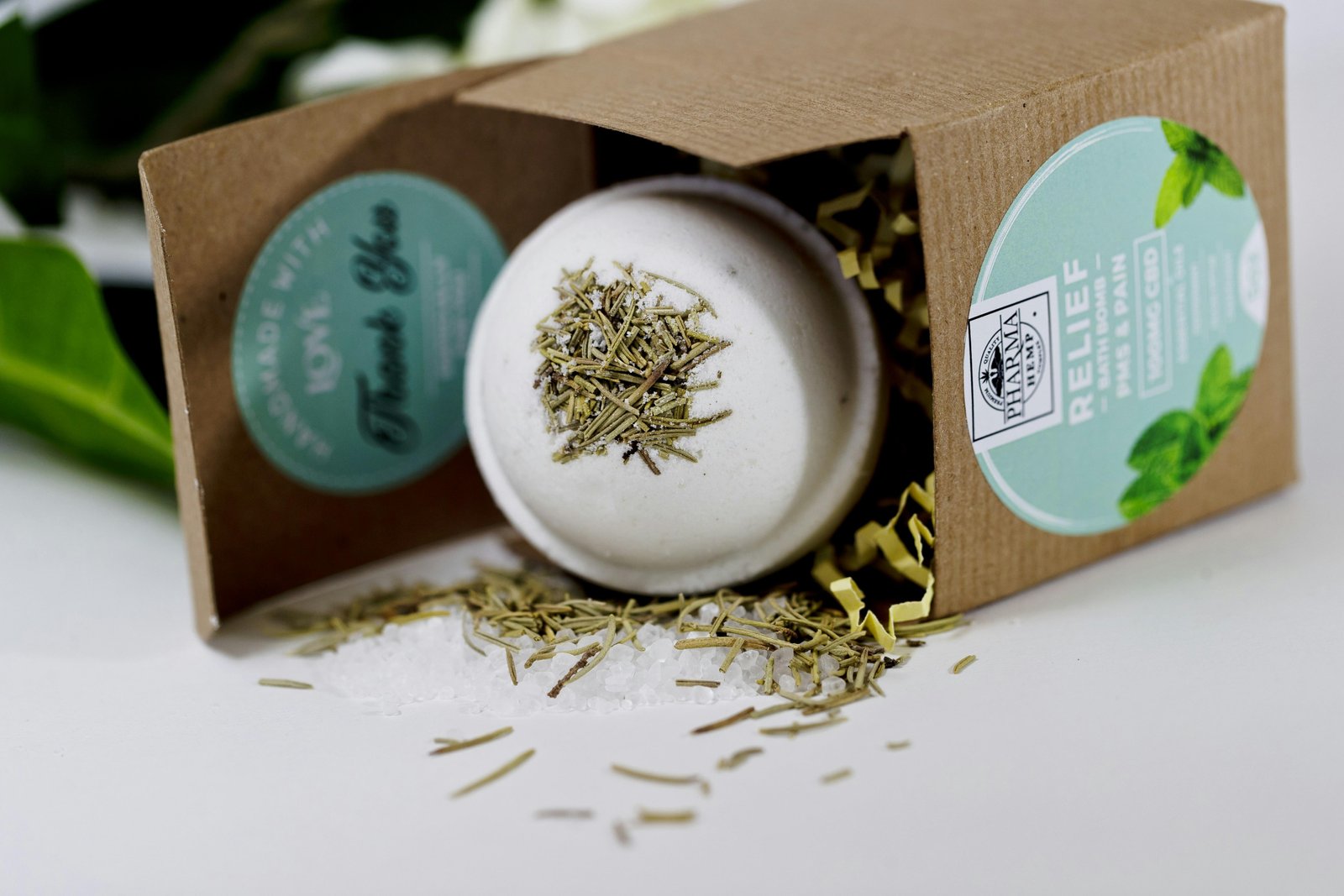
The power of Epsom salt extends beyond personal experiences to community wisdom as well. Many people have found solace in sharing their stories of using Epsom salt for recovery. Social media platforms are teeming with hashtags like #EpsomSaltBenefits and #RecoveryRitual, where users swap tips, modifications, and even recipes for homemade Epsom salt scrubs or bath bombs that enhance their relaxation experience. Engaging with such communities can help individuals discover new ways to utilize Epsom salt and motivate them on their recovery journey.
Final Thoughts on the Versatility of Epsom Salt
Epsom salt is more than just a simple remedy; it’s a versatile tool that complements various health and wellness practices. Whether you’re looking to alleviate soreness, enhance relaxation, or simply enjoy a moment of self-care, Epsom salt can seamlessly fit into your routine. By exploring its benefits, incorporating it into a well-rounded recovery strategy, and sharing your experiences, you open yourself up to a world of potential healing and comfort. Let Epsom salt be a part of your journey to unlocking wellness and achieving optimal muscle recovery.