
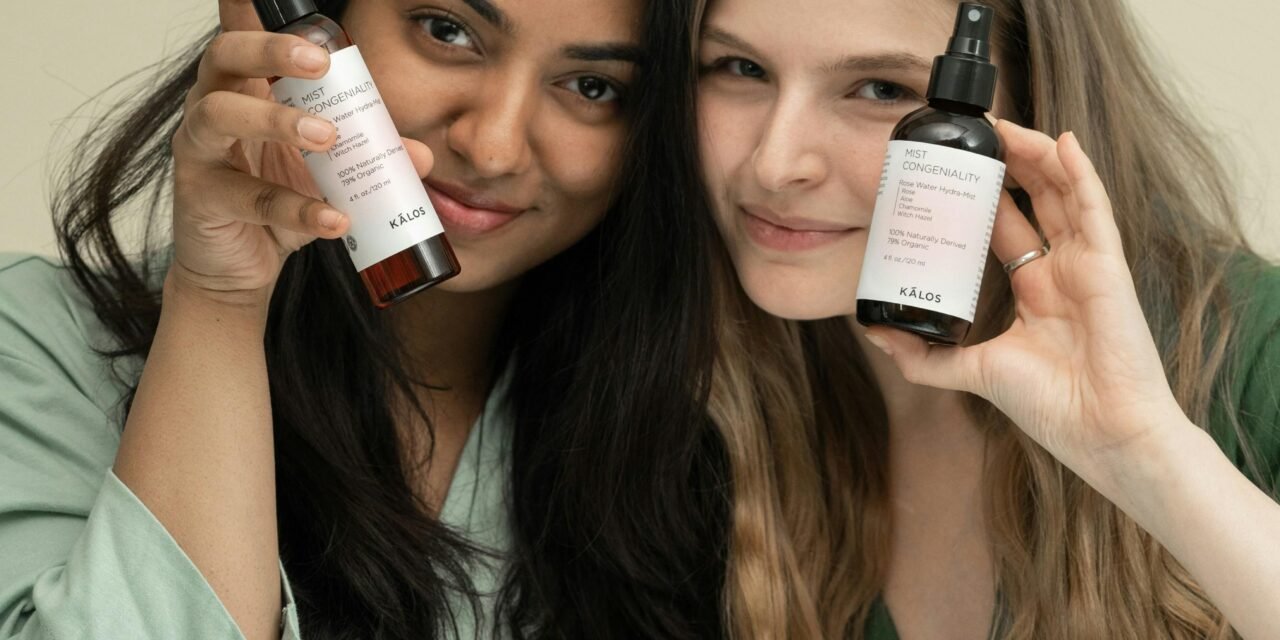
The beauty industry has experienced a significant shift in recent years, with a growing demand for vegan and organic skincare products. As more people become conscious of what they apply to their skin, the vegan skincare revolution is well underway. If you’re considering making the transition to a fully organic beauty routine, this comprehensive guide will provide you with all the information you need.
What is Vegan Skincare?
Vegan skincare refers to products that do not contain any animal-derived ingredients, including honey, dairy, or any by-products. It also includes brands that do not test on animals, ensuring a cruelty-free approach to beauty. The goal is to utilize plant-based and natural ingredients that nourish the skin while being environmentally friendly.
Benefits of Vegan Skincare
- Better for the Environment: Vegan products typically have a lower carbon footprint and are often packaged in environmentally friendly materials.
- Healthier Skin: Organic ingredients are free from harmful chemicals such as sulfates, parabens, and synthetic fragrances, which can irritate the skin.
- Ethical Choices: Vegan skincare supports cruelty-free practices, ensuring no harm is done to animals during product development.
- Rich in Nutrients: Plant-based ingredients offer vitamins, antioxidants, and essential fatty acids that can help rejuvenate your skin.
How to Transition to a Vegan Skincare Routine
Transitioning to a fully organic beauty routine involves a few essential steps. Here’s a practical roadmap to help you along the way:
1. Research and Educate Yourself
Understanding the ingredients commonly used in skincare is vital. Familiarize yourself with labels and identify which ingredients to avoid.
2. Gradual Replacement
Don’t feel pressured to replace everything at once. Start by replacing your most used products, such as cleansers and moisturizers, with vegan options.
3. Test Products
Always perform a patch test with new products, especially if you have sensitive skin. This ensures they won’t cause adverse reactions.
4. Explore Brands
Explore various vegan skincare brands and read reviews. Look for brands that prioritize sustainability and ethical practices.
Top Vegan and Organic Skincare Brands
Here are some outstanding vegan skincare brands to consider on your journey:
| Brand | Key Products | Website |
|---|---|---|
| 100% Pure | Fruit Pigmented® Foundation, Cleansers | Visit |
| Botanicals | Face Oil, Herbal Balm | Visit |
| Herbivore Botanicals | Face Masks, Body Scrubs | Visit |
| Pacifica | Face Wash, Moisturizers | Visit |
First-Hand Experience: My Vegan Skincare Journey
Four months ago, I decided to transition to a vegan skincare routine. I replaced my conventional moisturizers and cleansers with products from brands like Herbivore and 100% Pure. The initial change required some adaptation; however, I noticed my skin felt fresher, less irritated, and more revitalized. Inclusive of ingredients such as aloe vera and rosehip oil, my routine emphasized hydration and nourishment.
Case Studies: Real Results from Vegan Skincare
Case Study 1: Overcoming Eczema
A friend of mine struggled with eczema for years and decided to switch to a vegan skincare routine. After two months of using vegan, cruelty-free products, she reported less flare-ups and improved skin texture due to the natural, nourishing ingredients.
Case Study 2: Sensitive Skin Transformation
Another individual with sensitive skin was cautious about changing her routine. However, after incorporating gentle, organic cleansers and serums from various vegan brands, she achieved a calmer complexion and fewer allergic reactions.
Practical Tips for a Successful Transition
- Keep it Simple: Start with a basic routine-cleanser, toner, moisturizer, and sunscreen.
- Read Labels: Look for certifications like Leaping Bunny or PETA’s cruelty-free logo.
- DIY Options: Consider making your own organic products with ingredients like coconut oil, shea butter, and essential oils.
- Stay Informed: Follow vegan beauty blogs and social media influencers to learn about the latest products and trends.
Conclusion
The vegan skincare revolution is not just a passing trend; it’s a commitment to ethical beauty and personal well-being. By transitioning to a fully organic beauty routine, you are taking significant steps towards healthier skin while making a positive impact on the planet. With the right research and gradual adjustments, you can curate a vegan skincare routine that works for you. Embrace the change, and let your skin thrive with the power of nature!

Exploring Vegan Ingredients
Understanding the ingredients that populate vegan skincare is crucial for successful product selection. Here’s a closer look at some popular plant-based ingredients that are not only effective but safe for all skin types:
- Aloe Vera: Known for its soothing properties, aloe vera is perfect for calming inflammation and hydrating the skin.
- Jojoba Oil: This oil mimics the skin’s natural sebum, making it excellent for moisturizing without clogging pores.
- Shea Butter: Rich in vitamins A and E, shea butter provides deep nourishment and hydration, ideal for dry skin.
- Green Tea Extract: Packed with antioxidants, green tea helps protect the skin from environmental aggressors while soothing irritation.
- Vitamin C: A powerful antioxidant, vitamin C brightens the complexion and improves skin texture by promoting collagen production.
The Role of Exfoliation in Vegan Skincare
Exfoliation is a crucial step in any skincare regimen, including vegan routines. Gentle exfoliants like sugar, coffee grounds, or fruit enzymes can remove dead skin cells while being mindful of sensitive skin. Choosing exfoliants that utilize natural ingredients ensures you maintain the integrity of your skin barrier without introducing harsh chemicals.
Vegan Sunscreen: An Essential Component
Sun protection is a cornerstone of skincare that should not be overlooked, even within a vegan routine. Look for mineral-based sunscreens containing zinc oxide or titanium dioxide, which provide effective protection without harmful chemicals. Many vegan brands offer formulations that are lightweight, non-greasy, and packed with nourishing botanicals to keep your skin healthy while shielding it from UV rays.
Understanding Labels: What to Look For
When transitioning to vegan skincare, it’s essential to understand how to interpret product labels. Here are some things to look for:
- Cruelty-Free Symbols: Look for certifications like “Leaping Bunny” or “PETA Approved” to ensure ethical testing practices.
- Ingredient Transparency: Brands that openly share their ingredient sourcing and manufacturing processes often adhere to higher ethical standards.
- Vegan logos: Many brands will proudly display “Vegan” labels to highlight their commitment to animal-friendly policies.
Routine Strategies for All Skin Types
Adapting a vegan skincare regime to suit your skin type is vital for achieving the best results. Here are some tailored strategies:
For Oily and Acne-Prone Skin
Choose lightweight, non-comedogenic products such as gel-based moisturizers and active ingredients like salicylic acid derived from plants. Look for products with tea tree oil or willow bark for their natural antibacterial properties.
For Dry and Mature Skin
Opt for richer formulations with oils like argan or marula, as well as products infused with hyaluronic acid to enhance moisture retention. Regularly applying hydrators and anti-aging serums can aid in improving the appearance of fine lines.
For Sensitive Skin
It’s crucial to use gentle, fragrance-free products. Prioritize calming ingredients such as chamomile, calendula, and oat extract to reduce irritation while maintaining hydration.
Vegan Skincare Myths Debunked
As with any beauty trend, misconceptions abound regarding vegan skincare. Here are some common myths and the truth behind them:
- Myth: Vegan products aren’t effective. Truth: Many vegan brands utilize potent, plant-derived ingredients that deliver results comparable to traditional products.
- Myth: Vegan skincare is just a fad. Truth: The rise in awareness about sustainability and animal welfare means vegan skincare is here to stay.
- Myth: Vegan skincare is always expensive. Truth: While some brands can be pricey, plenty of affordable vegan options exist that provide excellent quality without breaking the bank.
Creating a Customized Vegan Skincare Routine
To effectively incorporate vegan products into your daily life, consider setting up a personalized skincare routine. Begin with a thorough cleansing to remove impurities, followed by toning to balance your skin’s pH levels. Apply your serums or treatments targeting specific concerns, followed by a hydrating moisturizer. Don’t forget sun protection during the day. Adjust your routine seasonally or as your skin’s needs evolve to maintain its health and vibrancy.